Lovebird Diseases: A Complete Clinical Guide for Owners
Peach-faced Lovebirds (Agapornis roseicollis) are synonymous with energy, vibrant colors, and incredible devotion. However, their small stature and unique physiology make them exceptionally sensitive to health issues. As a lovebird owner, your most important responsibility isn't just feeding and play—it's the ability to become a "health detective" for your bird.
Like most birds, lovebirds are masters at hiding illness. This is an evolutionary survival mechanism; in the wild, a bird showing signs of weakness is the first to become prey. By the time your lovebird shows obvious symptoms, the illness is often in an advanced stage.
In this comprehensive guide, we will analyze the most common lovebird diseases, from nutritional deficiencies to deadly viral infections, focusing on early detection and prevention.
⚠️ EMERGENCY SYMPTOMS: When to see an Avian Vet immediately?
If you notice any of the following signs, your lovebird is in critical condition and needs urgent help:
- Bird sitting on the cage floor: A sign of extreme exhaustion or egg binding.
- Difficulty breathing: The tail moves up and down with every breath ("tail bobbing").
- Blood in droppings: May indicate poisoning or severe infection.
- Neurological issues: Falling off the perch, trembling, or seizures.
Note: Birds hide symptoms until the last moment. Waiting until morning is often fatal.
Anatomy of a Sick Bird: Recognizing "Silent" Symptoms
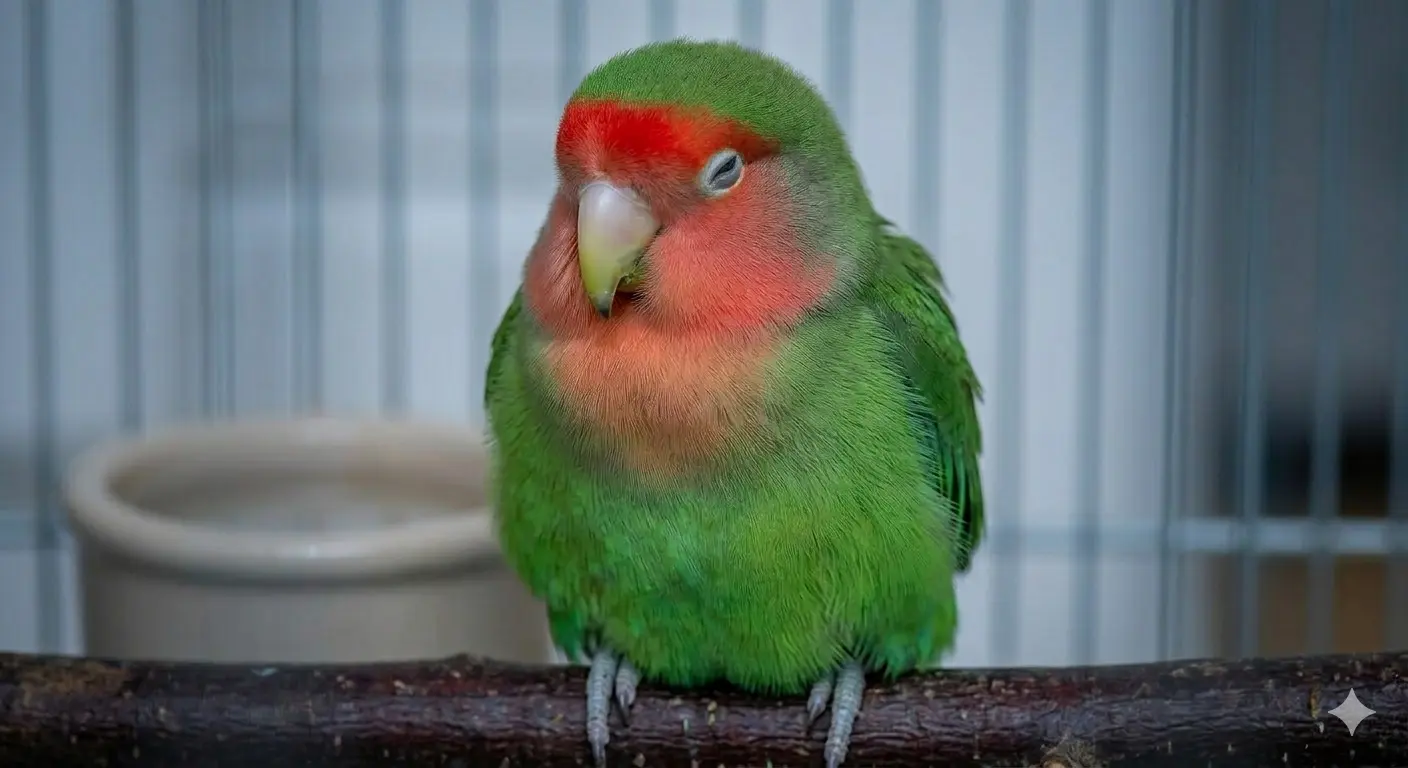
Before moving on to specific diseases, you must master the art of visual inspection. A healthy lovebird is always active, with smooth feathers and bright eyes. A sick bird changes its behavior.
1. Changes in Posture and Feathers
The most common yet subtle sign of illness is fluffed feathers. A bird fluffs its feathers to trap air and maintain body temperature (which averages around 41°C for lovebirds). If you see a bird sitting fluffed up with both feet on the perch (rather than one, as healthy birds sleep), it's a red alert. Also, watch for drooping wings (a sign of weakness or pain) and soiled feathers around the vent (cloaca).
2. Droppings Analysis
Lovebird droppings are a key health indicator. They consist of three parts:
- Feces: The solid, usually green part (depends on diet; e.g., orange if they eat carrots).
- Urates: The creamy-white, opaque part.
- Urine: The clear liquid.
Symptoms of illness in droppings:
- Diarrhea: Feces are liquid and formless.
- Polyuria: Increased amount of liquid urine.
- Yellow or green urates: Indicate liver problems.
- Blood in droppings: An emergency (poisoning or severe infection).
3. Respiratory Signs
If you notice your lovebird "tail bobbing" (moving its tail up and down with every breath), it means it's using its tail muscles to help it breathe. A healthy bird breathes imperceptibly. Additionally, wet nostrils, sneezing, and clicking sounds while breathing are signs of a respiratory infection.
Top 10 Most Common Lovebird Diseases
| Disease Name | Cause / Type | Key Symptoms | Prevention |
|---|---|---|---|
| Megabacteriosis (AGY) | Fungus (Macrorhabdus ornithogaster) | Weight loss, vomiting, undigested seeds in droppings | Good hygiene, fresh and high-quality food |
| Psittacosis (Parrot Fever) | Bacteria (Chlamydia psittaci) | Green droppings, nasal discharge, lethargy | Quarantine for new birds, strict hygiene |
| PBFD (Beak and Feather Disease) | Circovirus | Feather and beak deformation, loss of feather dust | PCR testing, strict quarantine of new birds |
| Hypovitaminosis A | Nutritional deficiency | Nasal and sinus infections, poor feather quality | Diet rich in vegetables (carrots, peppers, leafy greens) |
| Egg Binding | Reproductive / Calcium deficiency | Female sitting on floor, straining, swollen abdomen | Adequate calcium, proper diet, breeding control |
| Candidiasis | Fungus (Candida albicans) | White deposits in mouth, slow crop emptying, loss of appetite | Hygiene, cautious use of antibiotics |
| Aspergillosis | Fungus (Aspergillus fumigatus) | Difficulty breathing, hoarse voice, lethargy | Fresh food without mold, good ventilation |
| Coccidiosis | Protozoa (Eimeria / Isospora) | Watery diarrhea, weight loss, weakness | Dry and clean cage floor, regular hygiene |
| Heavy Metal Poisoning | Toxins (Lead, Zinc) | Neurological symptoms, seizures, vomiting, polyuria | Bird-safe environment, checking cages and toys |
| Feather Plucking | Behavioral or medical issue | Bare skin on chest or wings, damaged feathers | Mental stimulation, proper diet, adequate space |
Detailed Analysis of Key Pathologies
In this section, we will focus on the diseases most specific to lovebirds or those that pose the greatest threat.
Megabacteriosis (AGY - Avian Gastric Yeast)
Megabacteriosis, also known as "Going Light" disease, is one of the most common causes of death in small parrots. Despite the name "bacteriosis," the culprit is actually a large fungus (Macrorhabdus ornithogaster) that colonizes the lining of the proventriculus (glandular stomach).
Symptoms and Pathogenesis: This fungus damages the stomach, leading to an inability to digest food. A lovebird may appear to eat normally but actually loses weight as food passes through undigested.
- Weight Loss: The bird's chest becomes "sharp" (loss of muscle mass).
- Undigested Seeds in Droppings: A key diagnostic sign.
- Vomiting / Head Flicking: The bird vomits a slimy mass and undigested seeds, often shaking its head side-to-side.
Diagnosis and Treatment: Diagnosis is made by microscopic examination of fresh droppings or a crop swab. Treatment involves the antifungal Amphotericin B for 30–60 days.
How to Prevent Fungal Growth?
Prevention Tip: While apple cider vinegar is not a cure, many breeders use slightly acidified water (1-2 ml per liter) to support the digestive tract. An acidic environment can make it harder for fungi to bloom, but it should never replace antifungal therapy prescribed by a vet. Proper lovebird nutrition is the first line of defense.
Psittacosis (Parrot Fever - Zoonosis)
Psittacosis is an illness caused by the bacterium Chlamydia psittaci. This is a zoonosis, meaning it can be transmitted from bird to human, where it causes pneumonia-like symptoms. In lovebirds, the bacteria attack the respiratory system, liver, and spleen.
Symptoms:
- Bright Green Droppings (Lime Green): Indicates severe liver damage.
- Wet Nostrils and Watery Eyes: Conjunctivitis and sinusitis.
- Extreme Lethargy: The bird sleeps all day on the cage floor.
Diagnosis and Treatment: Diagnosis is complex and includes PCR testing of blood/feces or antibody tests. Treatment involves antibiotics, most commonly Doxycycline, for 45 days. During treatment, calcium must be removed from the diet as it binds to the antibiotic and makes it ineffective.
Important Note for Owners: If your bird is diagnosed with Psittacosis and you have persistent flu-like symptoms, be sure to inform your doctor that you own a parrot.
PBFD (Psittacine Beak and Feather Disease)
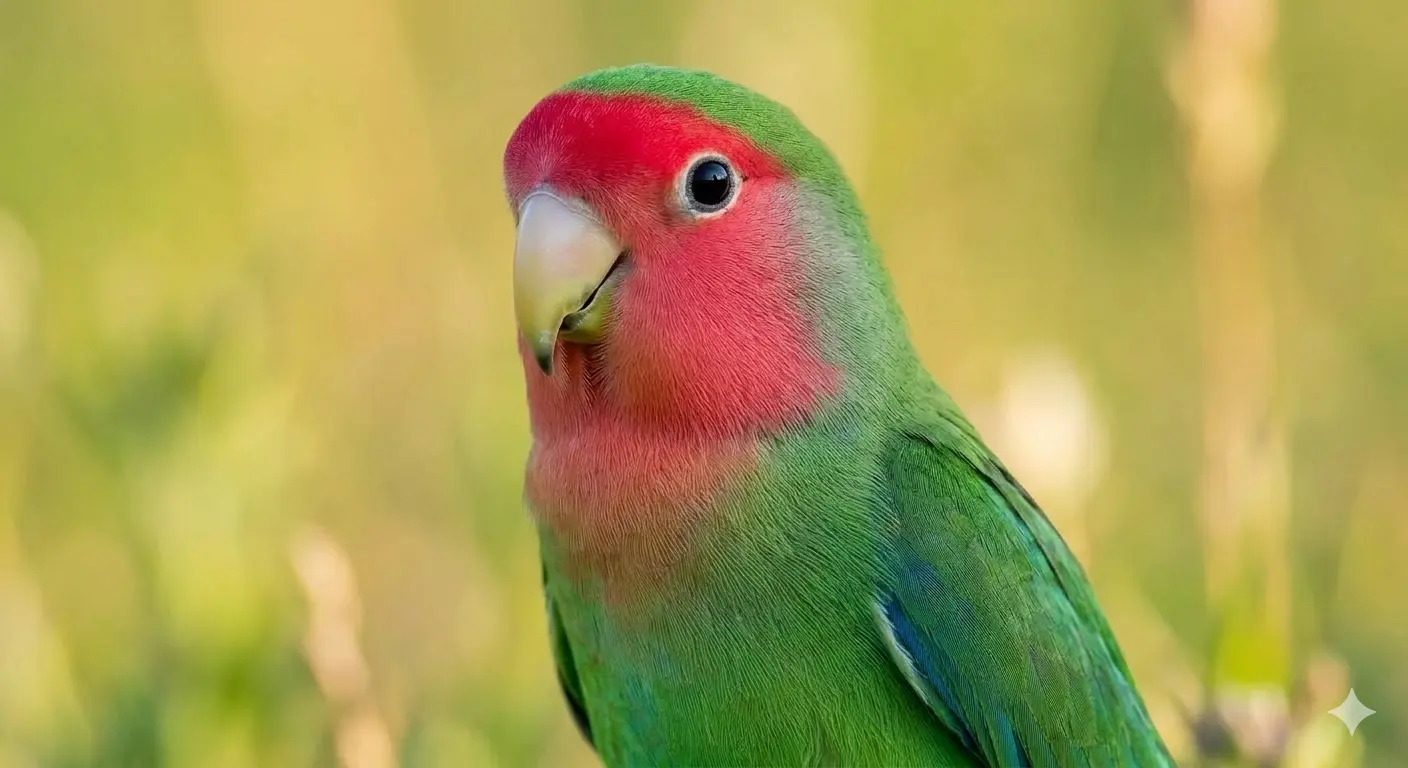
PBFD is a viral disease caused by a circovirus, often called "Bird AIDS" due to its devastating effect on the immune system. Lovebirds are known as "silent carriers" of this virus.
Symptoms: The virus attacks feather follicles and beak cells.
- Feather Loss: Feather dust is lost first (beak and legs stop being matte and become shiny).
- Deformed Feathers: New feathers are twisted, deformed, break easily, and bleed.
- Beak Problems: The beak becomes brittle, cracks, overgrows, and develops necrosis.
Treatment: Unfortunately, there is no cure for PBFD. Treatment is only supportive (vitamins, antibiotics for secondary infections). Most infected young birds perish. Older birds may survive as carriers but remain a constant source of infection for others.
Prevention: Every new lovebird entering your flock must undergo a PCR blood test for PBFD. A strict quarantine of at least 60 days is mandatory.
Reproductive Issues in Female Lovebirds
Lovebirds are known for their high reproductive activity. Females can lay eggs even without a male, leading to specific medical conditions.
Egg Binding
This is an emergency, life-threatening condition. It occurs when a female cannot expel a formed egg, which then presses against internal organs and major blood vessels.
Causes:
- Hypocalcemia (Calcium Deficiency): The most common cause. Calcium is needed for uterine muscle contractions.
- Large Egg or Obesity: Making passage difficult.
- Young Female: First-time laying issues.
Symptoms:
- Female on Cage Floor: Unable to fly or stand on a perch.
- Straining: Visible tail pumping and abdominal movement.
- Swollen Abdomen: The egg can sometimes be felt in the lower abdomen (be extremely gentle; if the egg breaks inside, it is almost certainly fatal).
Treatment: Take the bird to an avian specialist immediately. Treatment includes calcium injections, cloacal lubrication, and, if necessary, manual or surgical egg removal.
Chronic Egg Laying and Calcium Depletion
If a female constantly lays eggs (more than 2-3 clutches a year), she depletes her bone calcium reserves. This leads to Metabolic Bone Disease, where bones become brittle and break easily. Symptoms include leg weakness, trembling, and even seizures.
Prevention:
- Calcium-rich Diet: Cuttlebone, grit, mineral blocks, and calcium-rich vegetables (broccoli, kale).
- Light Control: Reduce the light cycle to 10-12 hours to simulate winter and dampen hormonal activity.
Behavioral Problems Manifesting Physically: Feather Plucking
Lovebirds are intelligent and emotional beings. When their needs are neglected, they develop destructive behaviors, the most common being feather plucking. This is the most complex problem in aviculture.
Key Rule: Feather plucking is a symptom, not a disease.
Causes are divided into medical and psychological:
1. Medical Causes
Before labeling a bird "psychologically ill," medical issues must be ruled out:
- Parasites: Internal (Giardia) or external (mites).
- Allergies: To food or dust.
- Skin Issues: Bacterial or fungal skin infections.
- Hypovitaminosis A: Leads to dry, itchy skin.
2. Psychological / Behavioral Causes
If medical tests are negative, the problem lies in the environment:
- Boredom: A lovebird without toys and mental stimulation turns on itself.
- Lack of Sleep: A bird needs 12 hours of total darkness and quiet.
- Sexual Frustration: A bird living alone without a partner.
Learn how to tame a lovebird to reduce stress and strengthen your bond, which often helps reduce behavioral plucking.
Heavy Metal Poisoning: The Invisible Danger in Your Home
Lovebirds are extremely curious and use their beaks to explore. Their small bodies are sensitive to toxins that are harmless to humans. Poisoning from heavy metals, primarily lead and zinc, is a frequent cause of death.
Symptoms:
- Neurological Signs: Unsteady gait, seizures, paralysis.
- Vomiting / Polyuria: Increased water intake and liquid droppings.
- Blood in Urine (Hemoglobinuria): Dark red urine.
Diagnosis and Treatment: Diagnosis is made via X-ray (seeing metal objects in the gizzard) and blood analysis. Treatment involves chelation therapy, which binds the metal in the blood and flushes it out through the urine.
Hygiene and Prevention: The Foundation of Lovebird Health
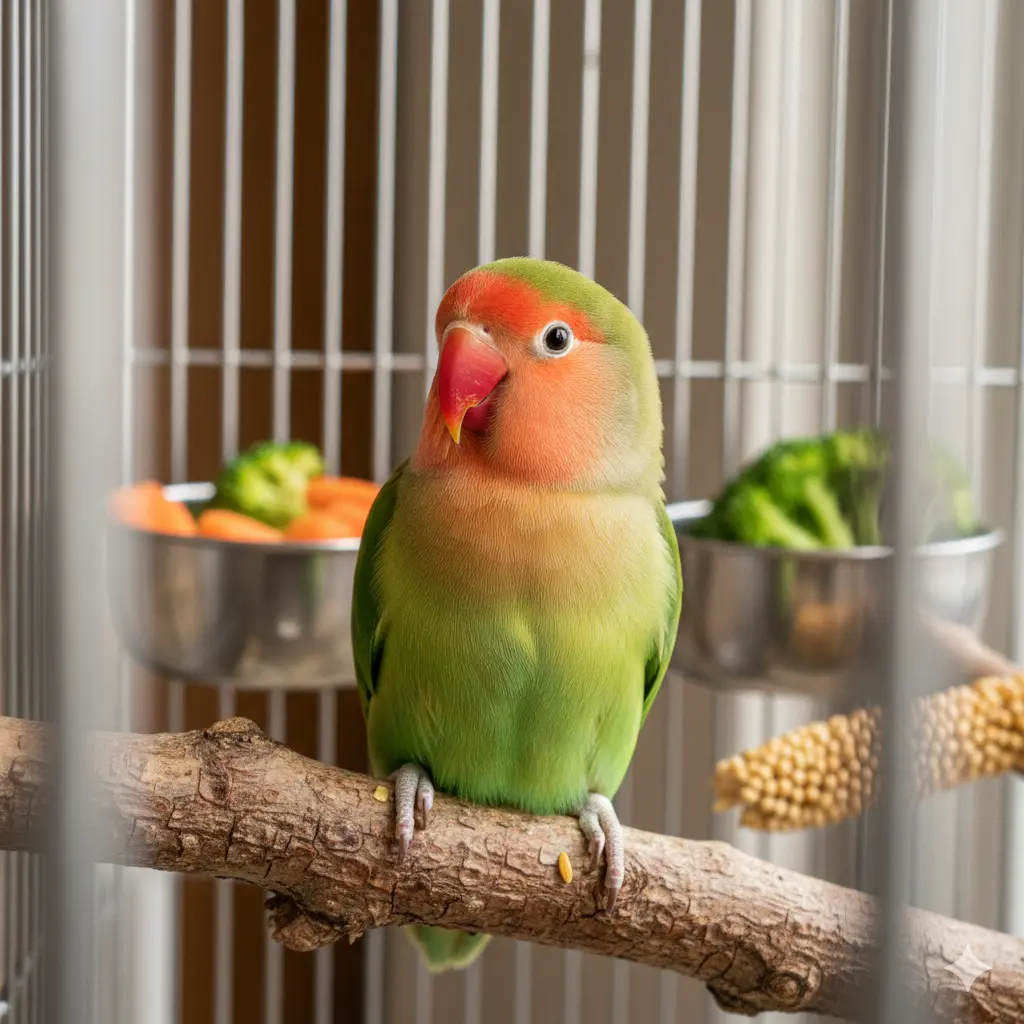
Quality nutrition is half of health, but impeccable hygiene is the other half. Although lovebirds are naturally clean birds that enjoy bathing, their high energy levels mean a lot of "work" for the owner. As active pets, they often scatter food, while fruit, vegetable, and dropping residues can quickly accumulate on perches and the cage floor, becoming a breeding ground for bacteria.
1. Daily Cleaning
Health starts with clean water and food. Change the water every morning, and twice a day during hot summer months. Use the feeding time to check the cage floor; fresh droppings are the best "report" on your bird's current status.
2. Weekly Cleaning
Once a week, set aside time for a deep clean of the cage, perches, and toys. It is recommended to use natural fruit-tree branches for perches (disinfected beforehand) as they protect foot health.
3. Annual Check-up
Responsible ownership includes one preventive visit per year to an avian specialist veterinarian. This is the best investment you can make. Routine microscopic exams or swabs can often detect "silent" threats long before the bird shows signs of weakness.
Frequently Asked Questions about Lovebird Diseases
1. How do I know if my lovebird is healthy?
A healthy lovebird is always active, with smooth feathers, clear eyes, and a clean vent. Droppings should consist of three parts: white urates, clear urine, and green feces.
2. What should I do if my lovebird is vomiting?
Take it to an avian vet immediately. Vomiting can be a sign of a severe infection (Megabacteriosis), Candidiasis, or poisoning.
3. Why is my lovebird plucking its feathers?
Plucking is a symptom, not a disease. Possible causes include medical issues (parasites, infections, vitamin A deficiency) or psychological ones (boredom, lack of sleep, frustration).
Conclusion: Become an Expert in Your Bird's Health
Raising lovebirds is a beautiful and responsible task. They are your friends and family members. Your ability to act as a "health detective" is key to their well-being and longevity.
Follow this comprehensive guide, stay alert to symptoms, and most importantly—visit an avian specialist regularly. Your lovebird will thank you with devotion and love.
Sources and Medical Literature
This guide utilized reference sources from the field of avian medicine to ensure data accuracy:
- Merck Veterinary Manual – Avian Diseases and Healthcare Section.
- Harrison & Lightfoot – Avian Medicine and Surgery.
- Association of Avian Veterinarians (AAV) – Clinical protocols for Agapornis species.
- Journal of Avian Medicine and Surgery – Research on Circovirus (PBFD) in Lovebirds.
