
Budgies as Pets: Everything You Need to Know
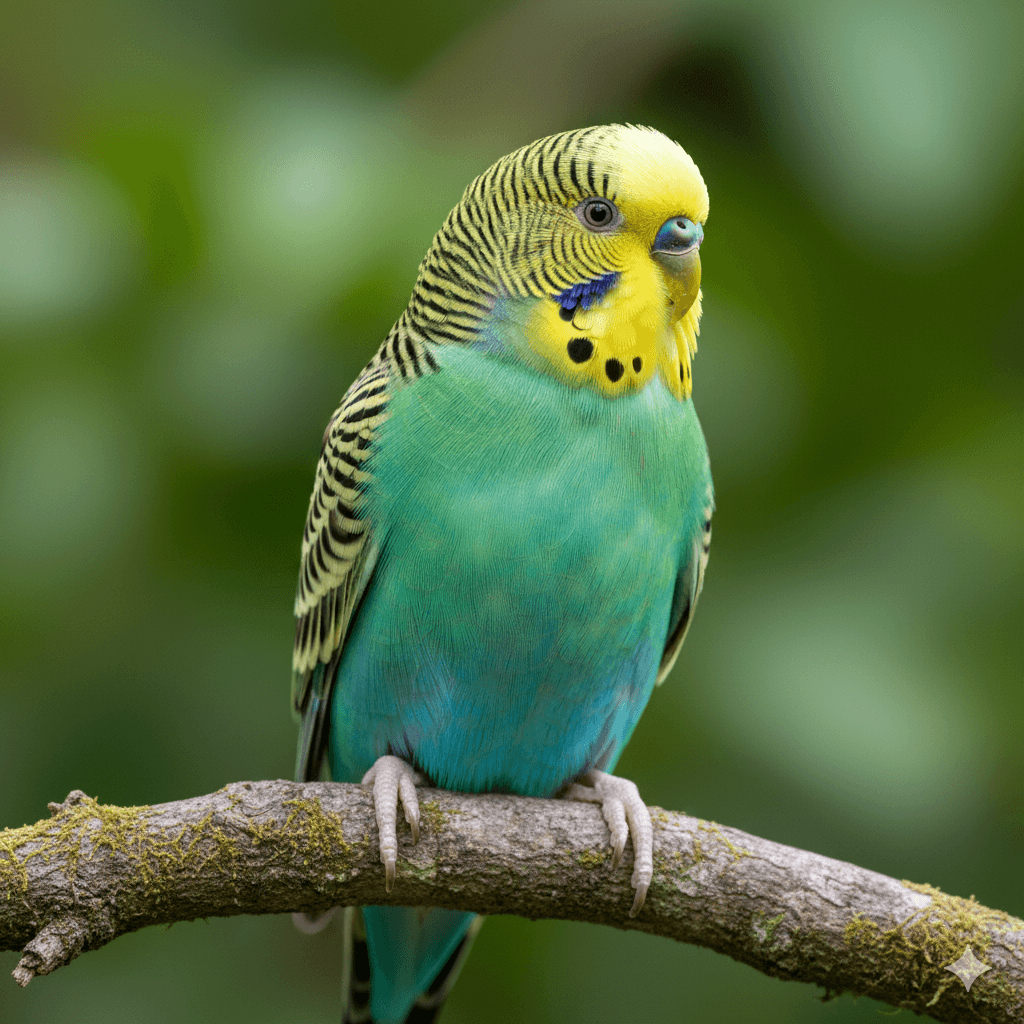
Budgies (budgerigars or Melopsittacus undulatus) are among the most popular pets worldwide. Their cheerful nature, colorful plumage, affectionate character, and relatively simple care requirements make them an ideal choice for both beginners and experienced bird enthusiasts. Budgies are small, playful, and intelligent birds that can become true family members, especially when given enough attention and affection.
In this detailed guide, you will find all the essential information about budgies—from their behavior and taming process to proper care and tips for a healthy, happy life for these wonderful birds.
A Brief Introduction to the World of Budgies
Budgies originate from Australia, where they live in massive flocks and travel long distances in search of food and water. Due to their social and active nature, they quickly won the hearts of people globally. These small birds are exceptionally curious, love interaction, and easily bond with their owners.
In a home environment, budgies are well-adapted to cage life, but it is still essential to provide them with space, play, and mental stimulation. Thanks to their intelligence, they can learn many tricks and even mimic sounds or a few words, especially the males.
Lifespan of a Budgie
On average, budgies live between 10 and 14 years, but with top-tier care, they can reach 20 or even 21 years. Their lifespan is influenced by:
- Proper nutrition
- Physical activity
- Hygiene and cage size
- Exposure to stress
- Air quality and room temperature
If an owner is dedicated to their needs, budgies can lead a long and happy life filled with play and companionship.
Behavior and Temperament
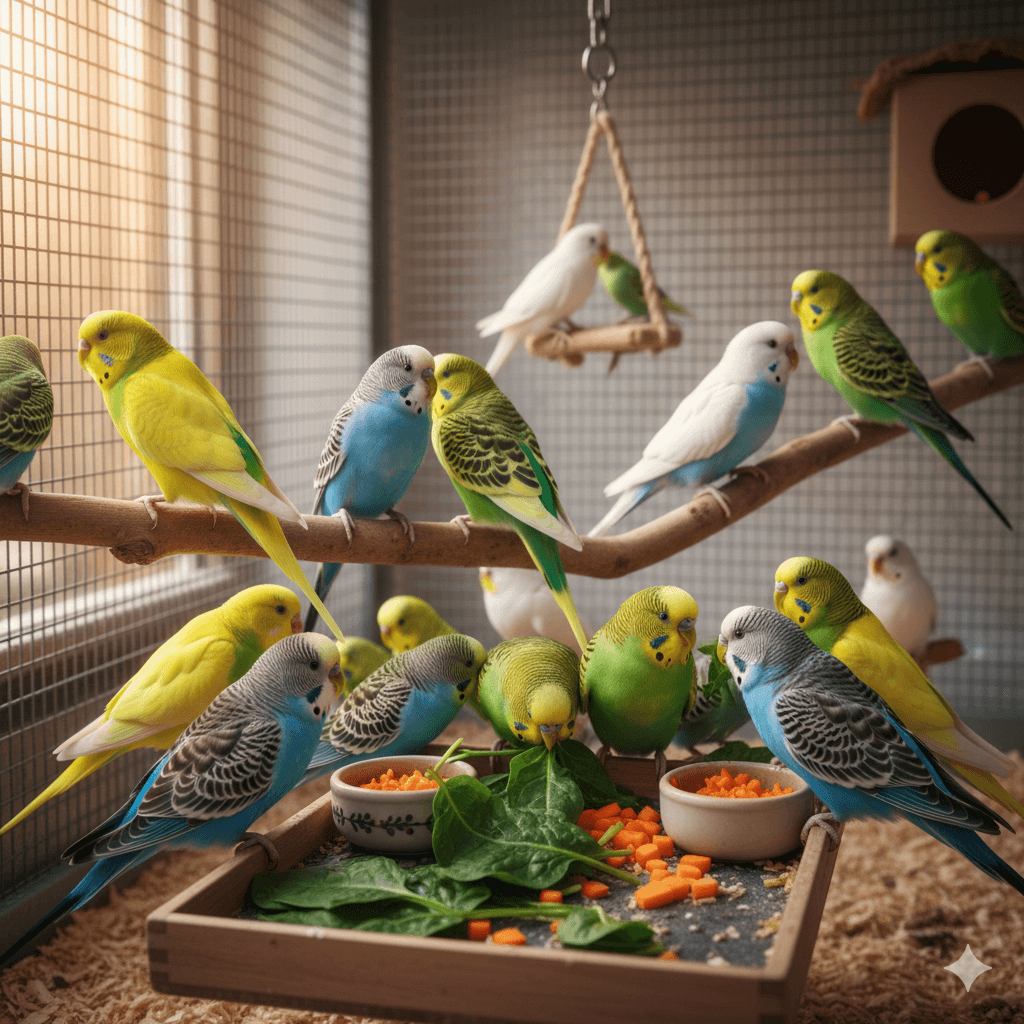
Budgies are extremely social birds. In the wild, they never live alone, so it is preferable to keep them in pairs or groups even at home. A single budgie can be very attached to its owner but requires significantly more time and attention.
Behavioral Characteristics:
- Social and Curious – They love observing everything around them.
- Active – They can engage with toys for hours.
- Communicative – Frequent chirping and vocalizing.
- Emotional – They bond deeply with partners or humans.
- Intelligent – They quickly learn routines and patterns.
If you notice a budgie is unusually quiet, withdrawn, or overly tense, it may be a sign of loneliness, boredom, or a health issue.
Taming – How to Earn a Budgie's Trust
Taming a budgie is a process that requires patience, a gentle approach, and consistency, but the results can be incredible. In most cases, budgies are easily tamed, especially when they are young.
Tips for Successful Taming:
- Give them time to adjust to their new home – at least a few days.
- Spend time near the cage, talking quietly and calmly.
- Offer a favorite treat (like millet) from your hand.
- Avoid sudden movements, as budgies are sensitive to stress.
- Once they are comfortable with your hand, start out-of-cage exercises.
- Be patient – taming can take anywhere from a few days to several weeks.
Over time, a budgie can learn to land on your shoulder or hand and even respond to its name or commands.
Cage and Living Space – Providing Ideal Conditions
Properly choosing a cage for your budgie is crucial for a healthy life. Although small, budgies are very active and need enough space to move.
Ideal Cage Characteristics:
- Width is more important than height (birds fly horizontally).
- Minimum dimensions for one bird: 80 cm wide, 45 cm deep, and 60 cm high.
- Bar spacing no wider than 1.3 cm.
- Provide multiple natural wooden perches.
- Place food and water bowls where they won't get soiled.
The cage should never be exposed to drafts, smoke, kitchen fumes, or direct sunlight for the entire day.
Free Flight – Essential for a Healthy Budgie
Budgies must be allowed out of the cage periodically, ideally for several hours every day. Flight allows for:
- Muscle strengthening
- Good circulation
- Mental stimulation
- Stress reduction
Before letting them fly, make sure that:
- Windows and doors are closed.
- Fans are turned off.
- There are no dangerous objects (candles, toxic plants, chemicals).
- Other animals (cats, dogs) are not in the room.
Free flight extends a budgie's life and significantly improves its mood.
Nutrition: The Key to Health and Longevity
Proper budgie nutrition consists of a high-quality seed mix available in pet shops. However, seeds alone are not enough for a fully healthy bird—supplementary food is required.
Basic Food:
- Millet mixes
- Oats
- Sunflower seeds (in moderation)
- Flaxseed
- Canary seed
Fresh Fruits and Vegetables:
- Apple (without seeds)
- Pear
- Banana
- Carrots
- Bell peppers
- Zucchini
- Broccoli
Introduce fruits and vegetables gradually and in moderation. Never give them avocado, chocolate, onions, alcohol, or salty foods – these are toxic to parrots.
Minerals, Beak Care, and Hygiene
Budgies naturally wear down their beaks throughout their lives. In a home setting, it is necessary to provide:
- Cuttlebone - Mineral blocks - Bird sand or mineral grit (optional)
These minerals help maintain a strong beak, satisfy calcium needs, and aid digestion.
Maintaining Hygiene:
- Change the cage liner at least once a week.
- Clean bowls daily using plain water.
- Perform a thorough cleaning of the entire cage once a month.
A clean environment reduces the risk of infections and parasites.
Bathing – A Favorite Activity
Budgies love bathing! Water helps them keep their feathers clean and shiny while providing enjoyment and mental stimulation.
You can offer them:
- A shallow dish with lukewarm water.
- Or misting with a spray bottle (using a gentle setting).
Bathing should be done in a warm room, and the bird must not be exposed to cold air until fully dry.
Health and Signs of Illness
While generally hardy, budgies can get sick if not properly cared for or if exposed to stress. It is important to observe their daily habits.
Pay attention if you notice:
- Changes in appetite
- Unusual or watery droppings
- Puffed-up feathers
- Inactivity
- Discharge from the nostrils
- Difficulty breathing
- Feather loss outside of the molting season
If illness is suspected, visit a veterinarian specializing in birds immediately.
Molting – A Natural Process
Budgies molt twice a year—usually in March and September. This is when they lose old feathers and grow new ones. During this period, they may be:
- Crankier
- Less active
- More sensitive
It is recommended to add vitamin drops to their water to help them through this process and boost their immunity.
The Perfect Little Companions
Budgies are more than just pets—they are small, cheerful friends who bring joy to any home. Their liveliness, intelligence, and ability to bond with humans make them special and unique creatures.
With proper care, quality nutrition, enough space, and plenty of love, your budgie can live a long, healthy, and happy life, and you will enjoy their chirping, play, and presence every single day.
Frequently Asked Questions
Are budgies good pets for beginners?
Yes. They are small, social, and relatively easy to care for with basic nutrition, a clean cage, and daily attention.
Can a budgie live alone?
Yes, but it needs daily interaction. If you are often away, a compatible pair may be a better choice.
How many hours should a budgie fly outside the cage?
Ideally several hours daily in a safe, supervised room without open windows or other pets.
How long do budgies live?
With good care, many live beyond 10 years.
Do budgies need another bird to be happy?
Not always, but companionship from the same species can reduce loneliness if you have limited time.
