Indian Ringneck Diet: A Guide for a Long and Healthy Life
When you bring an Indian Ringneck into your home, you’ve brought in a bundle of endless energy, intelligence, and, let’s be honest, a fair amount of noise. But for that "bundle" to stay with you for the next 25 to 30 years, one thing must be set perfectly from day one: their diet.
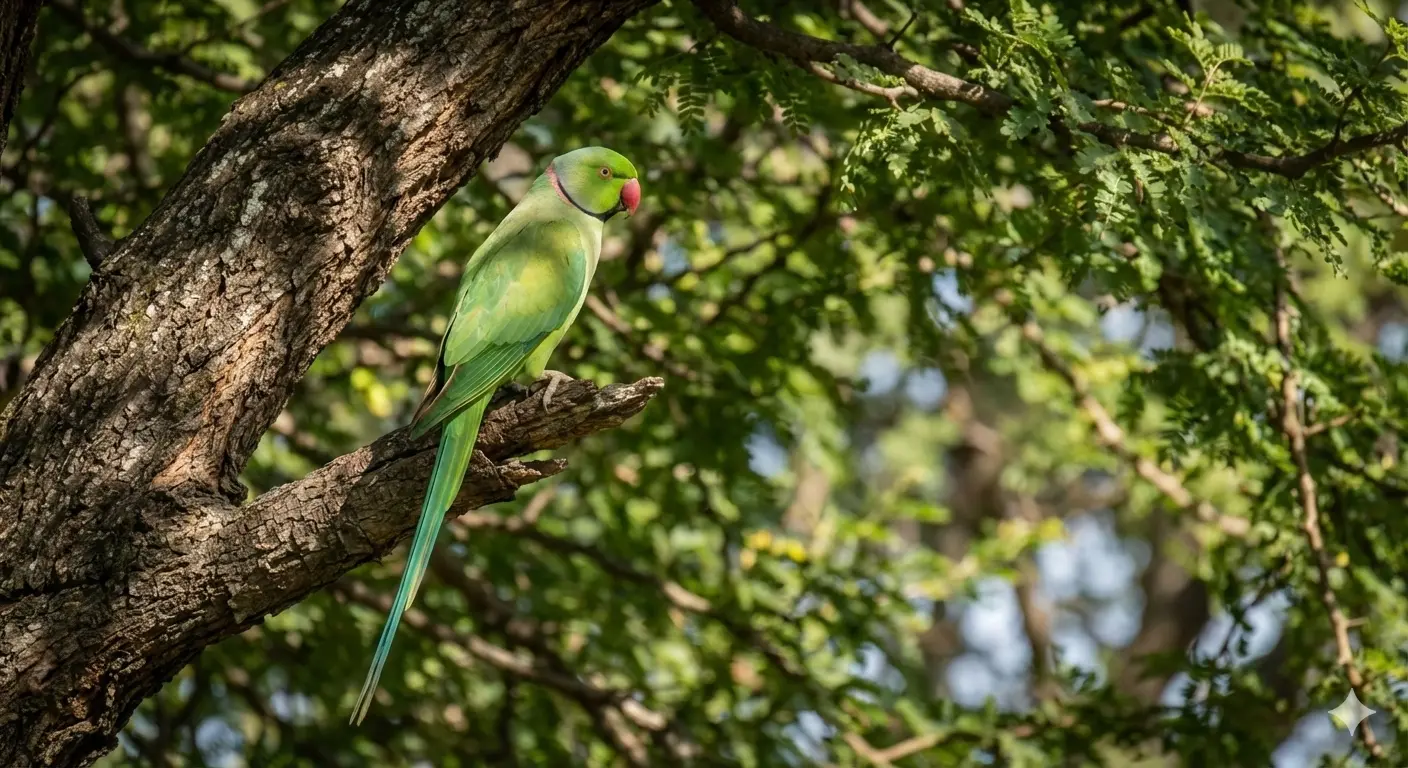
In the wild, Indian Ringnecks are true opportunists. Native to parts of Africa and Asia, they feed on everything nature offers—from grass seeds and grains to flowers, buds, fruits, and berries. As pets, they often fall victim to "fast food" in the form of cheap seed mixes, which is the most common cause of premature death in these birds.
Let’s debunk the myths and create a menu that will give your pet shiny feathers, bright eyes, and incredible energy.
The "Seeds Only" Trap (And Why We Must Avoid It)
The biggest misconception you’ll find in pet shops is that a bag of sunflower and millet seed mix is enough for an Indian Ringneck. This is like a human living exclusively on potato chips and fast food. It’s tasty, and the bird will eat it happily, but it leads directly to obesity and Fatty Liver Disease (Hepatic Lipidosis).
Seeds, especially sunflower seeds, are high in fat and low in essential vitamins like Vitamin A and calcium. In the wild, an Indian Ringneck flies miles a day and burns those calories. In your home, it likely spends more time sitting than flying, making those fats dangerous. Seeds should make up a maximum of 15-20% of the total diet, ideally used as rewards during training.
Pellets: The Nutritional Foundation of Modern Times
Today, most avian veterinarians recommend that high-quality pellets form the base (about 60-70%) of the diet. Pellets are a scientifically formulated food where every piece contains an ideal balance of proteins, fats, vitamins, and minerals.
The advantage of pellets is that the bird cannot "pick and choose" only what it likes; every bite offers full nutritional value. If you are transitioning from seeds to pellets, be prepared for some resistance—Indian Ringnecks are stubborn! Use the tricks mentioned in our post on cockatiel nutrition, mix them gradually and stay persistent.
"Chop": The Heart of Your Parrot’s Diet
What distinguishes experienced owners from beginners is the preparation of "Chop." This is a mix of finely chopped raw vegetables, grains, and legumes offered daily.
What Should Be on the Plate?
Indian Ringnecks have a high requirement for Vitamin A, which keeps their skin, feathers, and respiratory tract healthy.
- Orange Vegetables: Carrots (grated or in chunks), sweet potatoes (cooked only!), pumpkin.
- Dark Leafy Greens: Kale, spinach, chard, dandelion greens (from a clean source), broccoli (both florets and stems).
- Other Vegetables: Bell peppers (including seeds—they love the heat of capsaicin that we can't stand!), zucchini, cucumber, peas, sweet corn (in moderation).
Fruit: A Treat, Not a Meal
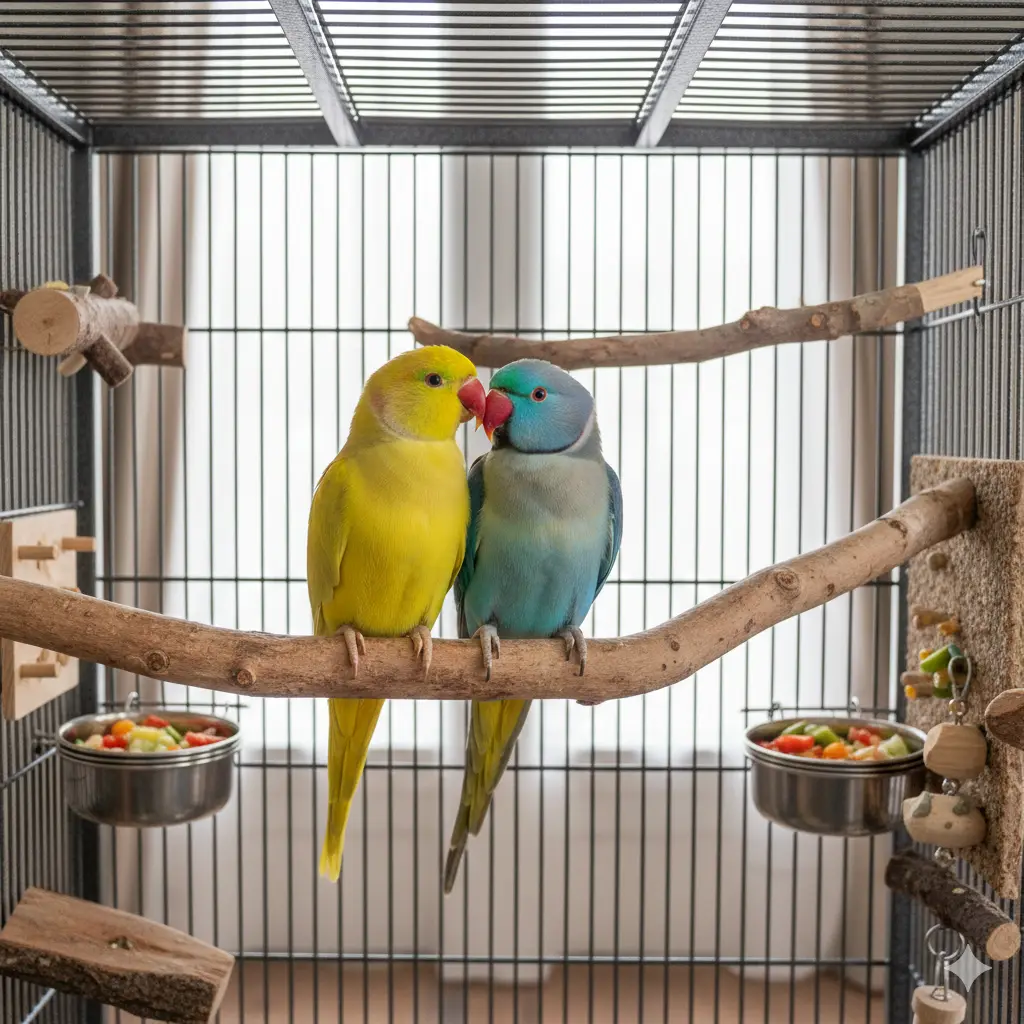
Indian Ringnecks adore fruit because of the sugar. However, because of that same sugar, fruit should only make up about 10% of the diet.
- Favorite Fruits: Apples (seeds removed!), pears, pomegranate, blueberries, raspberries, bananas, kiwi, melon.
- Exotics: Mango and papaya are fantastic vitamin sources, but be sure to peel them. Warning: Never, ever give apple or pear seeds, or the pits of peaches and apricots. They contain trace amounts of cyanide which can be fatal to such a small animal.
Legumes and Grains: Protein Power
The Indian Ringneck is a strong bird that needs protein for muscle maintenance and feather regeneration during molting.
- Cooked Legumes: Lentils, chickpeas, beans (never raw!).
- Grains: Cooked quinoa, buckwheat, brown rice, or amaranth.
- Sprouts: This is "superfood." Sprouted seeds (millet, wheat) contain ten times more vitamins than dry seeds. If you have the time to sprout seeds at home, your bird will be endlessly grateful.
Nuts: A Genius's Reward
Indian Ringnecks have powerful beaks and enjoy cracking things. Nuts are healthy but very high in calories.
- Half a walnut or one almond per day is plenty. Hazelnuts are also excellent.
- Offer them a walnut in the shell. Their intelligence will shine as they figure out how to get to the inside. This is great mental exercise!
The Forbidden List: What Can Kill Your Parrot?
As an owner, you must be the kitchen "police." Some things that are healthy for us are toxic for them.
- Avocado: The entire plant is toxic to a bird's heart.
- Chocolate and Caffeine: These can cause heart failure.
- Onion and Garlic: They destroy red blood cells in birds.
- Salt and Sugar: Their kidneys are not designed to process salt. Never give them pretzels, chips, or cookies.
- Mushrooms: Can cause liver failure.
- Alcohol: Even a tiny amount is fatal.
Water and Supplements
Clean water is mandatory and must be changed every day. Indian Ringnecks often like to "make soup"—intentionally dropping food into their water to soften it. If they do this, change the water several times a day.
Regarding vitamins, if your bird eats quality pellets and a variety of vegetables, additional water supplements are likely unnecessary (and can be harmful as bacteria grow quickly in vitamin-fortified water). Calcium is essential, so a cuttlebone in the cage is a must.
Foraging: How Do They Eat in the Wild?
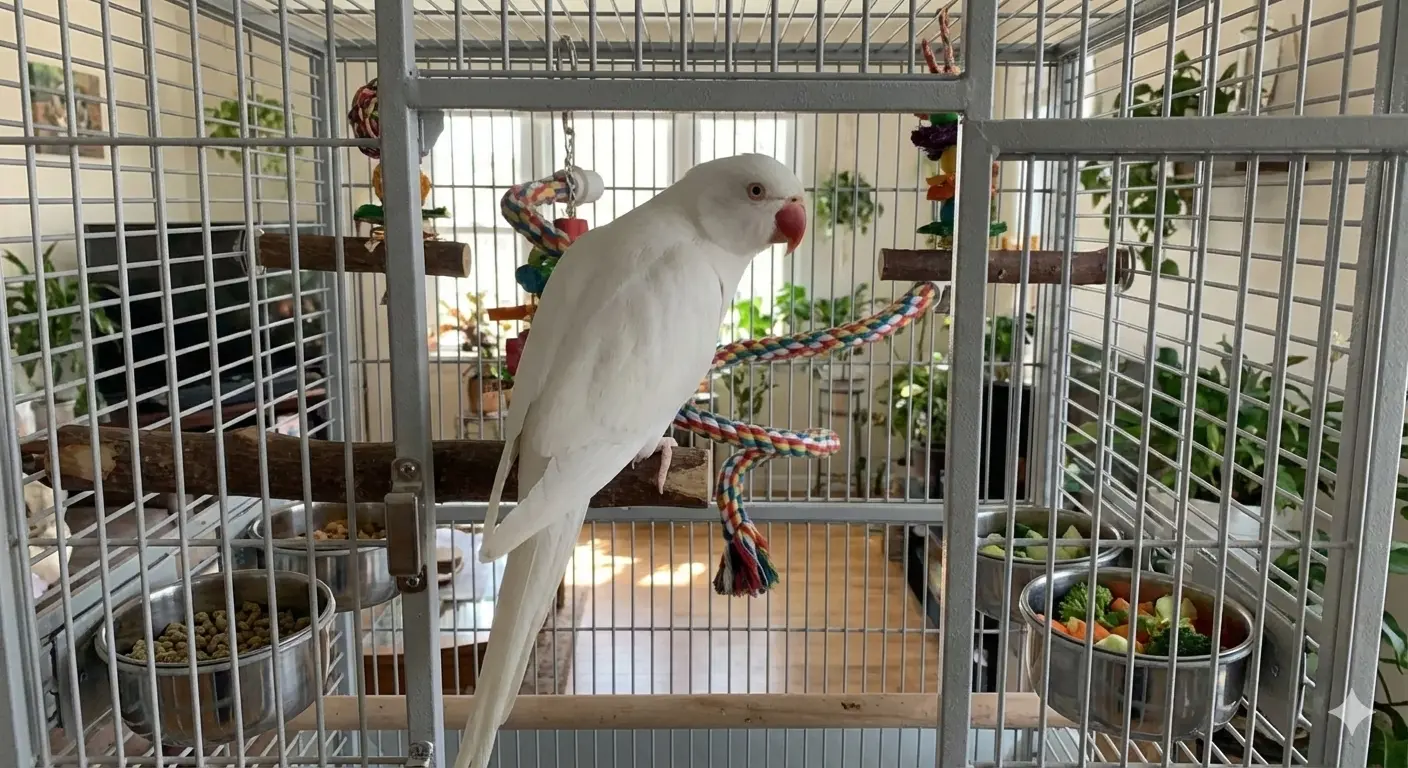
In the wild, an Indian Ringneck doesn't get food in a bowl. They have to find it, unwrap it, and grab it. If you just put a full bowl under their nose, they will get bored quickly, which leads to feather plucking and depression. Introduce Foraging:
- Hide nuts in small cardboard boxes.
- Hang whole vegetables from the top of the cage so they have to climb and "fight" with it.
- Use foraging toys where they have to work to get pellets out. Let your Ringneck work for their meal. This will keep them mentally sharp and happy.
Frequently Asked Questions
What percentage of an Indian Ringneck's diet should be pellets?
Pellets should make up about 60–70% of daily intake, with fresh vegetables, fruit, and limited treats.
Can an Indian Ringneck live on seeds alone?
No. Seeds are too fatty and incomplete. Pellets and fresh food are essential.
How many nuts are safe per day?
One small portion, such as half a walnut or one almond, is enough for an adult bird.
Should I add vitamins to the water?
If the bird eats quality pellets and varied fresh food, water supplements are usually unnecessary.
Which foods are most dangerous?
Avocado, chocolate, onion, alcohol, salt, sugar, and mushrooms should be completely avoided.
Conclusion
Feeding an Indian Ringneck isn't rocket science, but it does require commitment. By relying on pellets, daily fresh "Chop," and a bit of fruit, you aren't just feeding your bird—you are buying them extra years of life.
Observe your pet. If their feathers are shiny and they are active and curious, you are on the right track. And remember, every new piece of vegetable is a new opportunity for play and exploration. Your Indian Ringneck isn't just a bird; they are a gourmet waiting for you to surprise them!
