The Ultimate Cockatiel Nutrition Guide: Diet for Health and Longevity
Cockatiels (Nymphicus hollandicus) are charming, intelligent, and social companions that bring so much life to a home. Just like us, the secret to a long, vibrant life for a cockatiel lies in their bowl. Understanding your bird's nutritional needs is vital because poor diet is the leading cause of health issues in pet birds, including obesity, fatty liver disease, and malnutrition.
This comprehensive guide will help you build a balanced and diverse menu, ensuring your cockatiel gets everything they need to thrive.
Why Cockatiel Nutrition is Unique
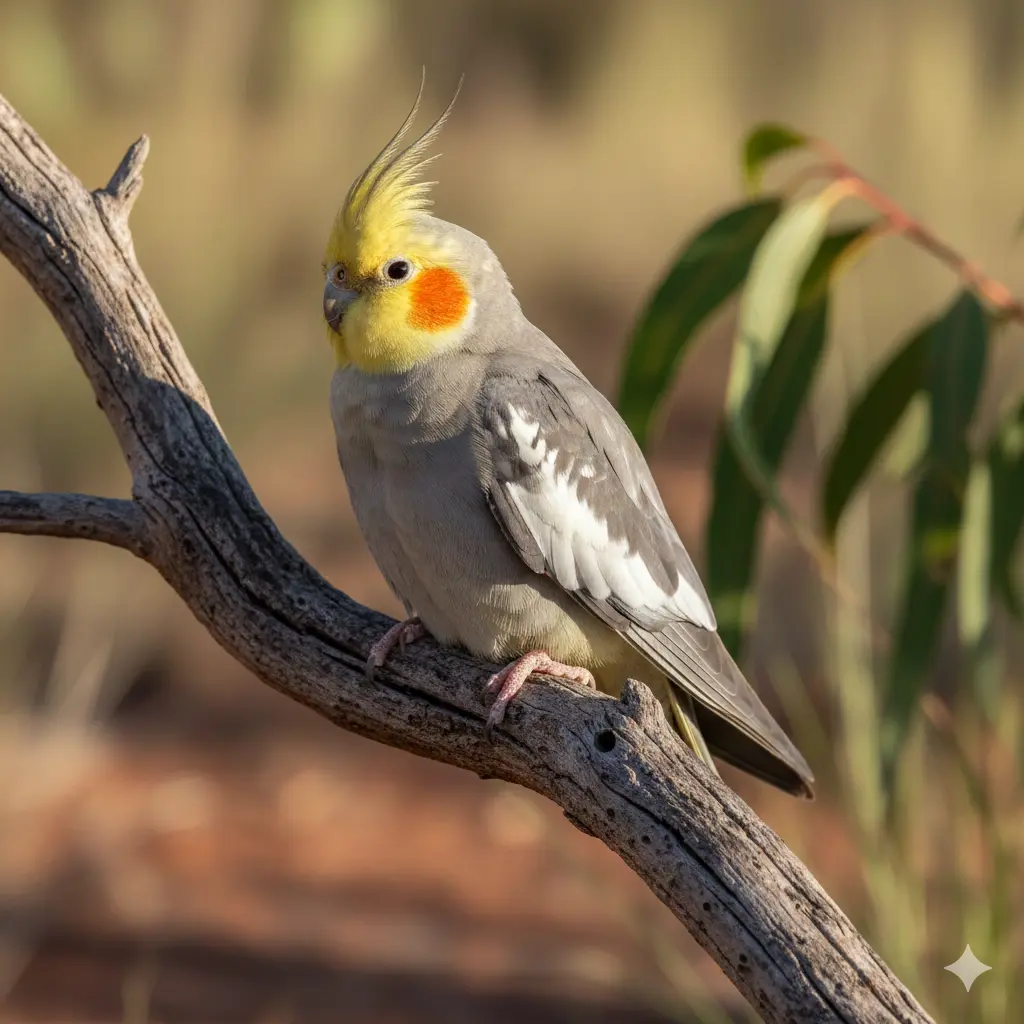
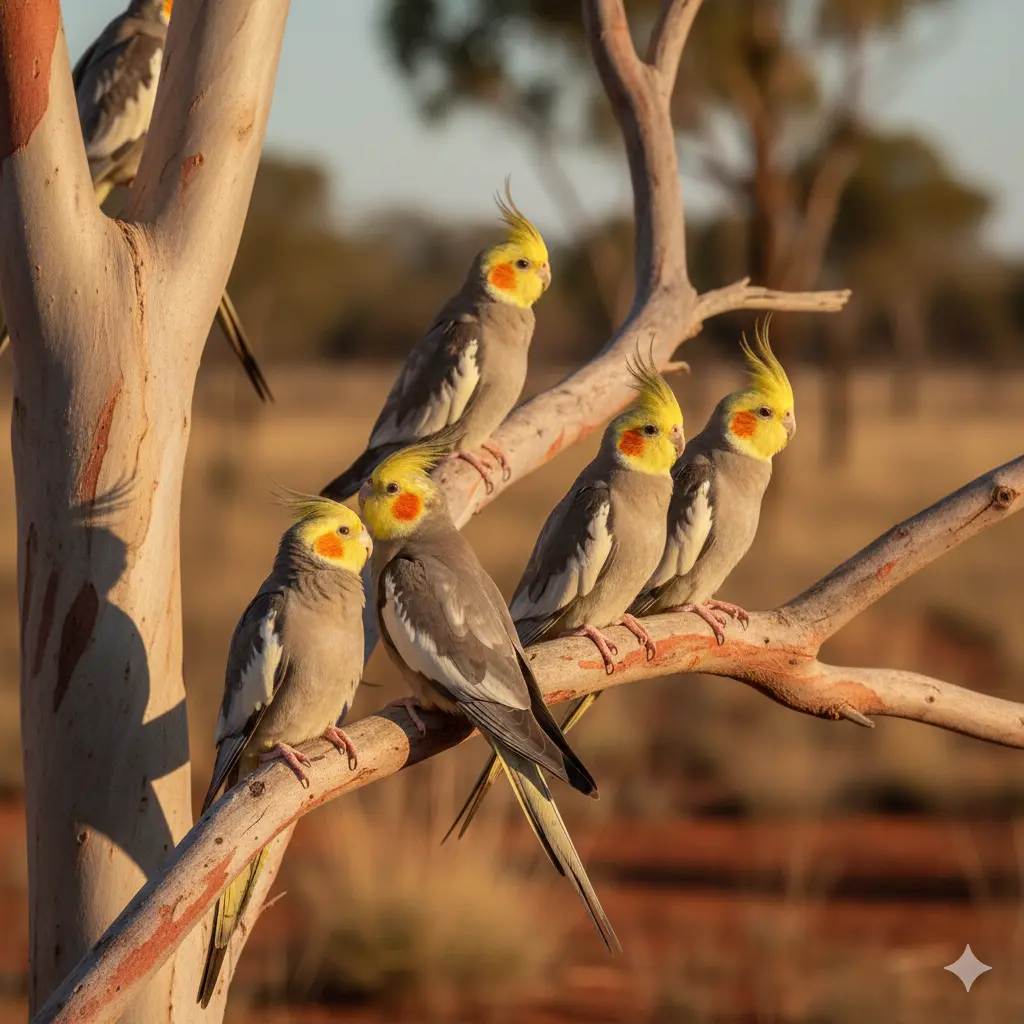
Native to the arid regions of Australia, wild cockatiels forage for a variety of grass seeds, berries, and occasional insects. Their digestive systems are highly efficient at processing these foods. As pet owners, our responsibility is to mimic this natural variety while avoiding the "seed-only" trap that leads to health complications.
The Pillars of a Balanced Cockatiel Diet
A healthy daily intake should be broken down into three main categories:
1. High-Quality Pellets (The Foundation)
In modern avian medicine, pellets are considered the "gold standard." Unlike loose seed mixes, where a bird might only pick out the fatty sunflower seeds, every pellet is nutritionally identical. They are formulated with the exact balance of vitamins, minerals, and proteins.
- Pro Tip: Look for pellets specifically formulated for small to medium parrots (cockatiel size). Choose brands that avoid artificial colors, sugars, and preservatives.
- The Ratio: Pellets should make up about 60-70% of your bird's total daily intake.
- Transitioning: If your bird is a "seed addict," don't switch overnight. Gradually mix pellets with their seeds, slowly increasing the pellet ratio over several weeks.
2. Fresh Vegetables and Fruits (Essential Nutrients)
Fresh produce provides vital antioxidants, fiber, and hydration that pellets sometimes lack. They also offer mental stimulation through different textures and colors.
Recommended Vegetables (Daily)
- Leafy Greens: Kale, spinach, collard greens, and Swiss chard.
- Orange/Yellow Veggies: Carrots (shredded or steamed), sweet potatoes (cooked), and squash.
- Crunchy Options: Broccoli, bell peppers (all colors, including seeds), and snap peas.
Recommended Fruits (Occasional Treats)
-
Berries: Blueberries, raspberries, and strawberries.
-
Melons: Cantaloupe and watermelon.
-
Others: Apples (Remove seeds!), bananas, and kiwi.
-
Safety Warning: Always wash produce thoroughly to remove pesticides. Never let your bird eat apple or pear seeds, as they contain trace amounts of cyanide.
3. Seeds (The Reward, Not the Meal)
While seeds are natural, commercial mixes are often too high in fat and too low in Vitamin A and Calcium. Think of seeds as "birdie junk food"—delicious, but best in moderation.
- The Ratio: Keep seeds to about 5-10% of the diet. They are excellent for use as training rewards (especially spray millet).
- Sprouted Seeds: Sprouting seeds at home drastically increases their nutritional value and lowers their fat content, making them a much healthier alternative to dry seeds.
Calcium and Mineral Support
- Cuttlebone: An absolute must-have. It provides essential calcium, especially for females who may lay eggs (which depletes their calcium stores).
- Mineral Blocks: These help keep the beak trimmed and provide trace minerals.
- A Note on Grit: Unlike chickens, cockatiels do not need grit to digest their food. In fact, grit can cause life-threatening impactions in parrots.
Toxic Foods: What to NEVER Feed Your Cockatiel
Avoid these at all costs, as some can be fatal within hours:
- Avocado: Contains persin, which is highly toxic to birds.
- Chocolate & Caffeine: Can cause heart failure.
- Onions & Garlic: Lead to anemia.
- Fruit Pits/Seeds: Specifically from apples, cherries, peaches, and plums.
- Alcohol: Extremely dangerous.
- High-Salt/Sugar Foods: No chips, crackers, or candy.
- Dairy: Birds are lactose intolerant.
Special Dietary Needs
- Nesting Females: Need a massive boost in calcium. Offer extra cuttlebone or a vet-approved calcium supplement.
- Molting Birds: Growing new feathers requires extra protein. Offer small amounts of hard-boiled egg (including the crushed shell) once a week.
- Senior Birds: May benefit from softer foods or more easily digestible sprouted seeds.
How to Handle Picky Eaters
Cockatiels are notoriously "neophobic" (afraid of new things). If they won't touch their veggies, try these tricks:
- Eat in front of them: Cockatiels are flock eaters. If they see you "enjoying" a piece of broccoli, they’ll want some too!
- Clip it to the bars: Sometimes a hanging leaf of kale is more inviting than a bowl.
- The "Chop" Method: Finely mince vegetables and mix them with a small amount of their favorite seeds.
Frequently Asked Questions
What percentage of a cockatiel's diet should be pellets?
Pellets should make up about 60–70% of daily intake, with fresh produce and limited seeds as supplements.
How often should cockatiels get fruits and vegetables?
Daily in small amounts, removing leftovers after a few hours to prevent spoilage.
Can cockatiels eat avocado?
No. Avocado is toxic to birds and should never be offered.
Is cuttlebone necessary?
Yes, especially for females and during egg-laying periods, because it provides essential calcium.
How do I introduce new food to a picky cockatiel?
Offer it early in the morning in small pieces and repeat several times, mixed with foods the bird already likes.
Conclusion
A balanced diet is the foundation of your cockatiel's vitality. By providing high-quality pellets, a rainbow of vegetables, and using seeds only as a special treat, you are ensuring your "feathered soulmate" lives a long, happy life.
