The Secret to the Perfect Canary Song: Training and Encouragement
The sound of a canary in a home isn't just pleasant background noise; it’s a nature symphony and a reflection of peak health and happiness. For most owners, the song is the most vital part of keeping a canary. But what makes a song "perfect"? Is it nature or nurture? And how can you encourage your canary to sing with full lungs?
We’re diving deep into the world of canary vocalizations, revealing the secrets behind their melodic tones and offering practical tips to help your feathered friend become a master tenor.
Why Do Canaries Sing?
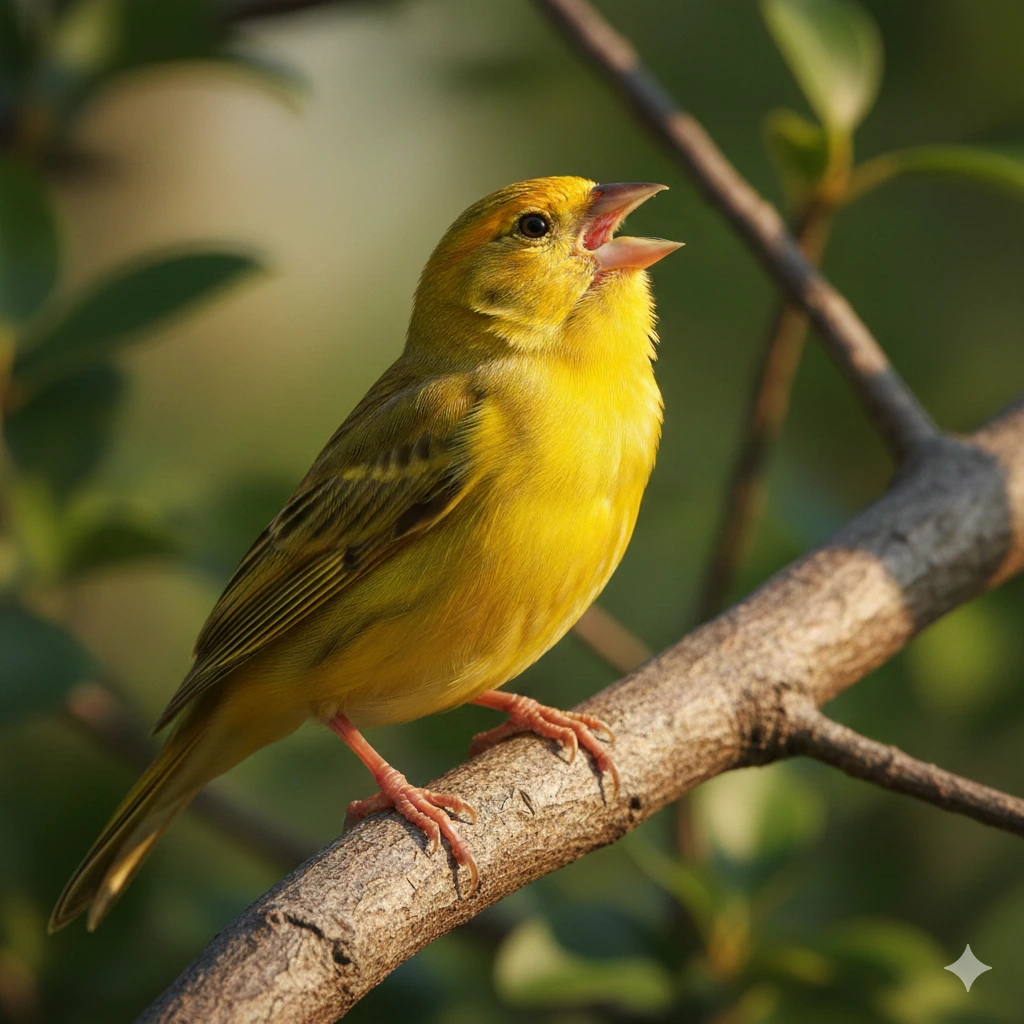
A canary's song isn't just for human entertainment; it has deep biological roots. In the wild, males sing for several key reasons:
- Attracting Mates: A complex melody is a sign of vitality, health, and genetic fitness.
- Claiming Territory: Song serves as a "keep out" sign for other males.
- Communication: Canaries use different tones for specific messages within their flock.
Thanks to centuries of selective breeding, we now have specific "Song Canary" breeds specialized exclusively for their vocal range.
Who Sings? Understanding Gender Differences
If your primary goal is a bird that fills your home with music, the bird's gender is the most important factor.
- Males: They are the tenors of the bird world. They sing almost constantly, especially in the spring. Their songs are long, complex, and full of variations.
- Females: They rarely sing. Their vocalizations are usually limited to short chirps or "muttering." While some females may produce short melodies, they never reach the volume or complexity of a male.
Environment Matters: Even a male might stay silent if he feels unsafe, ill, or stressed. Understanding their basic needs is crucial, as detailed in our Canary Care for Beginners guide.
Top Song Canary Breeds
Not all canaries are created equal when it comes to music. Breeders have perfected three main "Song" breeds:
1. The Belgian Waterslager (Malinois)
Perhaps the most famous song breed. The Waterslager canary is known for its "watery" notes—bubbling sounds that mimic a babbling brook.
- Song Style: They have a deeper, richer voice. Their repertoire includes "clucking," "rolling," "bells," and "flutes."
- Training: Breeders often use "Master Singers" (experienced older birds) or high-quality recordings to teach young birds these specific water-note melodies.
2. The German Roller (Harz Roller)
Originating from the Harz Mountains in Germany, the Roller is an elite singer known for singing with a closed beak.
- Song Style: Their song is soft, low, and rolling. It consists of hollow "rolls" and "flutes" that create a continuous, liquid melody without harsh or screeching tones.
- Training: Rollers are carefully shielded from irritating background noises during their youth to prevent them from "spoiling" their refined song.
3. The American Singer
A hybrid of the Border Canary (for looks) and the Roller (for song), this breed was developed in the US to be the "total package."
- Song Style: Their song is a mix of the Roller's liquid flow and the louder, more open tones of the Border. It’s prized for variety and robustness.
How to Encourage Your Canary to Sing
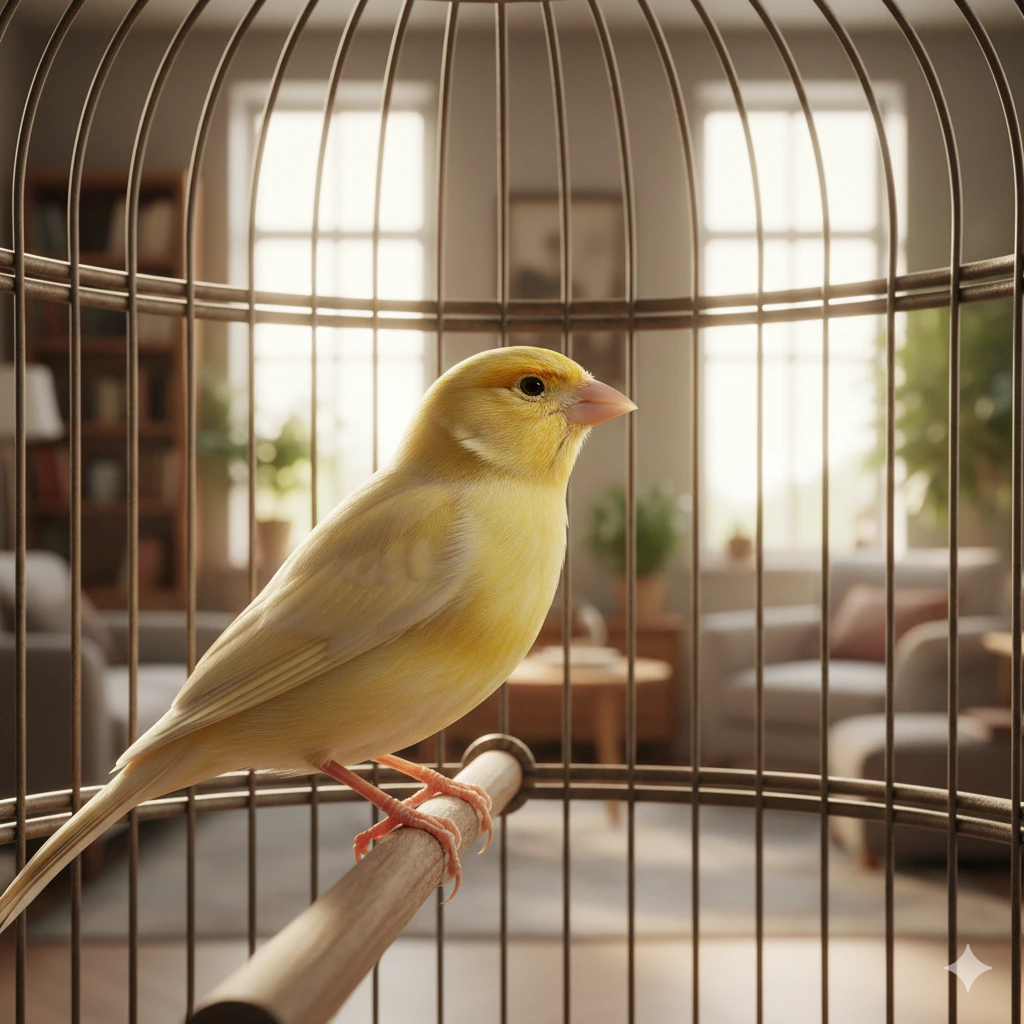
1. Diet: Fuel for the Voice
Singing requires massive amounts of energy.
- Balanced Nutrition: High-quality seed mixes, fresh greens (broccoli and kale), and calcium supplements are essential.
- Conditioning Food: Many US keepers use "Song Food" or "Condition Seed" during the peak singing season to provide an extra energy boost.
2. Light and Atmosphere
Canaries "sing with light." Their hormonal drive is triggered by the length of the day.
- Natural Light: Aim for 10–12 hours of light. A lack of light is the #1 reason a healthy male stops singing.
- Silence: During "training" sessions, eliminate background noise like the TV. They need silence to focus on their own notes.
3. Audio Stimulation
Canaries are social learners.
- The Rivalry Effect: If you have two males in separate cages (where they can't see each other), they will often "duel," trying to out-sing one another.
- Song Recordings: This is highly effective. Play recordings of champion Waterslagers or Rollers for 15–30 minutes, twice a day.
4. Routine
Consistent feeding and cleaning schedules reduce stress. A secure bird is a singing bird.
Why Did My Canary Stop Singing?
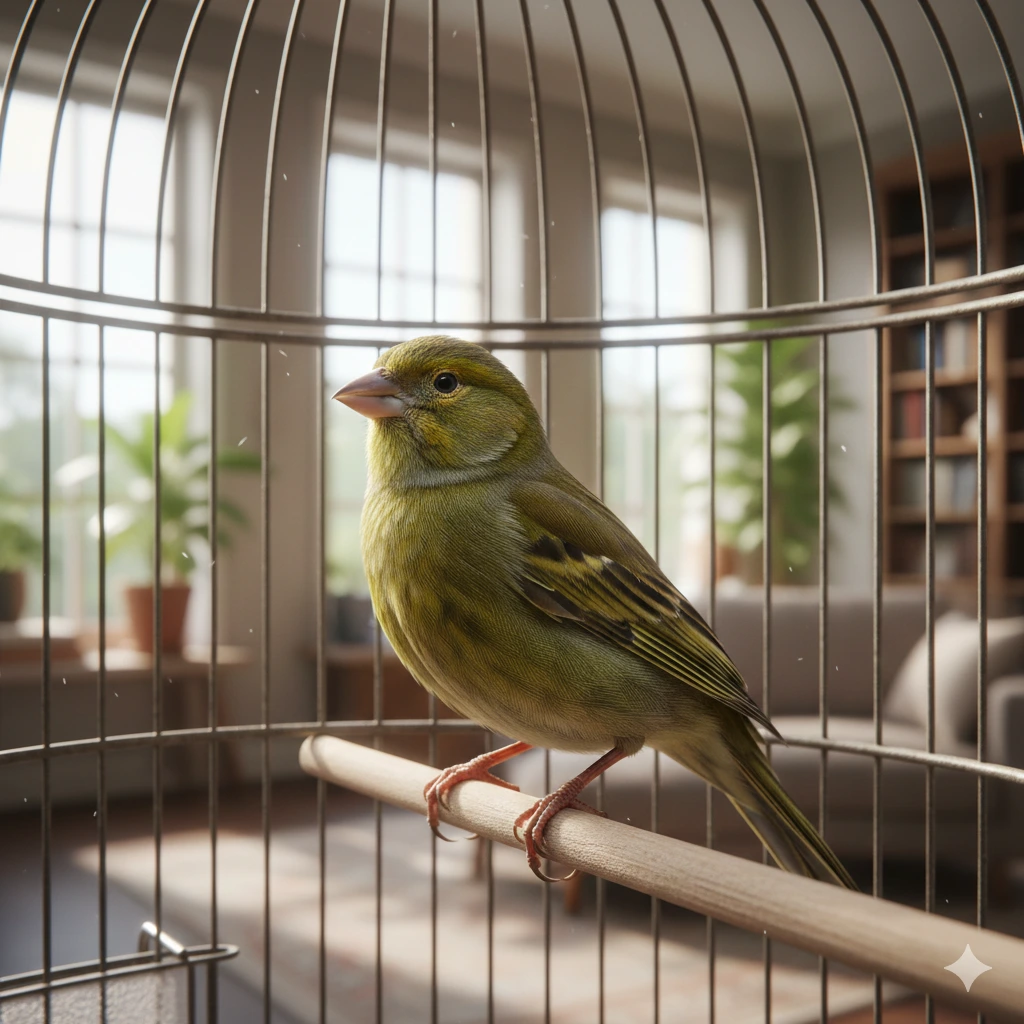
If your once-vocal bird goes silent, look for these common triggers:
- Molting: This is the most common reason. During the 6–8 weeks it takes to grow new feathers, all energy goes to the body, and the song stops.
- Illness: A silent bird is often a sick bird. If silence is paired with fluffed feathers or lethargy, see an avian vet.
- Stress: New pets, a change in cage location, or a nearby cat can terrify a canary into silence.
- Air Sac Mites: Common in canaries, these tiny parasites can affect the respiratory system and "steal" the bird's voice.
The Art of Song Tutoring
Young males, especially "Song" breeds, have a window of learning between 2 and 6 months of age.
- The "Teacher" Bird: Having an older "Master" singer in the room is the traditional way to train young birds.
- Consistency: If using recordings, don't mix genres. If you want a Waterslager style, only play Waterslager tracks. Mixing sounds will result in a "choppy" song with no clear character.
FAQ
How long do canaries sing per day? A healthy male can sing for several minutes to several hours a day, usually peaking in the morning and late afternoon.
Can females learn to sing? Rarely. If a female starts singing like a male, it can indicate a hormonal imbalance that may need a veterinary check-up.
What is the loudest canary? The Spanish Timbrado is known for being the loudest and most "bell-like" of the song breeds.
How do I know if my canary is happy? Active singing, frequent bathing, and smooth feathers are the best indicators of a happy bird.
Conclusion: An Investment in Music
A canary's song is a mirror of its health and environment. By choosing a specific breed like the Waterslager or German Roller and providing a light-rich, low-stress environment, you can enjoy a natural symphony every day.
