
Canaries for Beginners: Song and Home Care Guide
If you are looking for a pet that will fill your home with the most beautiful sounds of nature without requiring constant physical interaction like a parrot, the canary (Serinus canaria domestica) is an unrivaled choice. These small, lively singers have been the most popular pet birds in the world for decades, but their elegance hides specific needs that every beginner must master.
Unlike a parrot, a canary won't call you by name, but it will become your best morning friend. However, keeping a canary isn't just a matter of "toss the bird in a cage and pour some seeds." It is a science of light, metabolism, and acoustics. In this guide, we will explore every aspect of their lives—from the genetics of song to protecting them from household hazards that can end their lives in seconds.
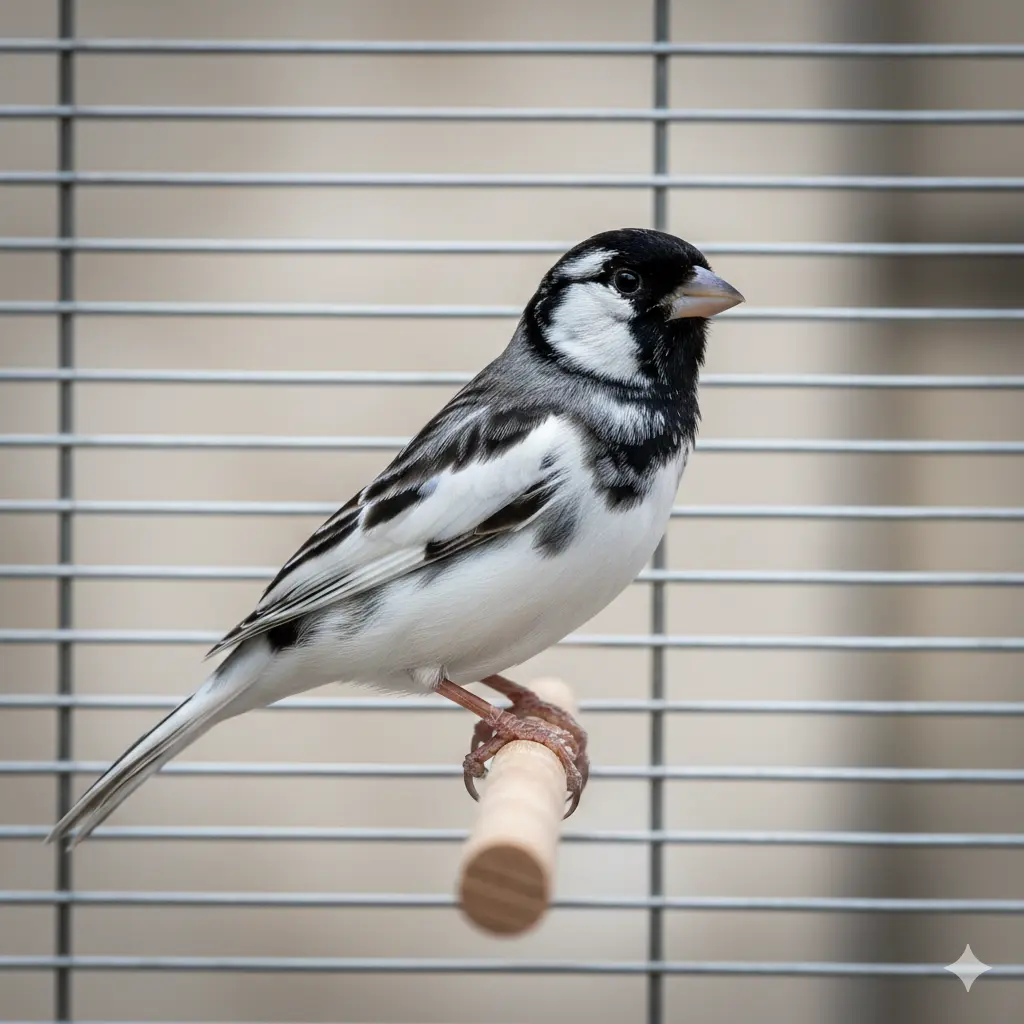
Spatial Anatomy: Why Round Cages are "Prisons" for the Soul
One of the most common beginner mistakes is buying small, decorative, or round cages. For a canary, a round cage is disorienting because they lack a "corner of safety" to retreat into.
Horizontal flight is key.
Canaries move like small airplanes, not helicopters. They must fly from one side to the other to burn off fats from their seeds. If the cage is tall but narrow, your bird will become obese and sluggish, which directly impacts heart health and causes them to stop singing.
- Ideal Dimensions: For one bird, the minimum length is 50-60 cm (approx. 20-24 inches). The longer, the better.
- Material: Avoid cages with plastic-coated bars that peel. Stainless steel or high-quality powder-coated metal cages are the only safe choices.
- Positioning: The cage must be at your eye level. A bird looking at you from below feels threatened (predatory instinct), while a bird at eye level builds trust.
What is Your Canary Actually Saying with Its Song?
Many owners think a canary sings because it is "happy." While partially true, singing in canaries is primarily a territorial and hormonal tool. A male sings to mark his space and attract a female. This means his song is directly linked to his testosterone levels. When hormone levels drop (during molting), the singing stops.
How to Encourage the Best Song?
- Auditory Stimulus: Canaries are competitors. If they hear another canary (even from YouTube), they will sing louder and more complexly.
- Air Quality: Canaries were once used in mines as gas detectors. If the air in the room is heavy, full of smoke, or fumes, the song will be the first thing to disappear.
- Genetics: There are three types of canaries: those bred for song (Harzer Roller, Spanish Timbrado), those for color (Red Factor, Mosaic), and those for type/posture (Gloster, Fife Fancy). If you want a concert every morning, choose breeds genetically selected for their voice.
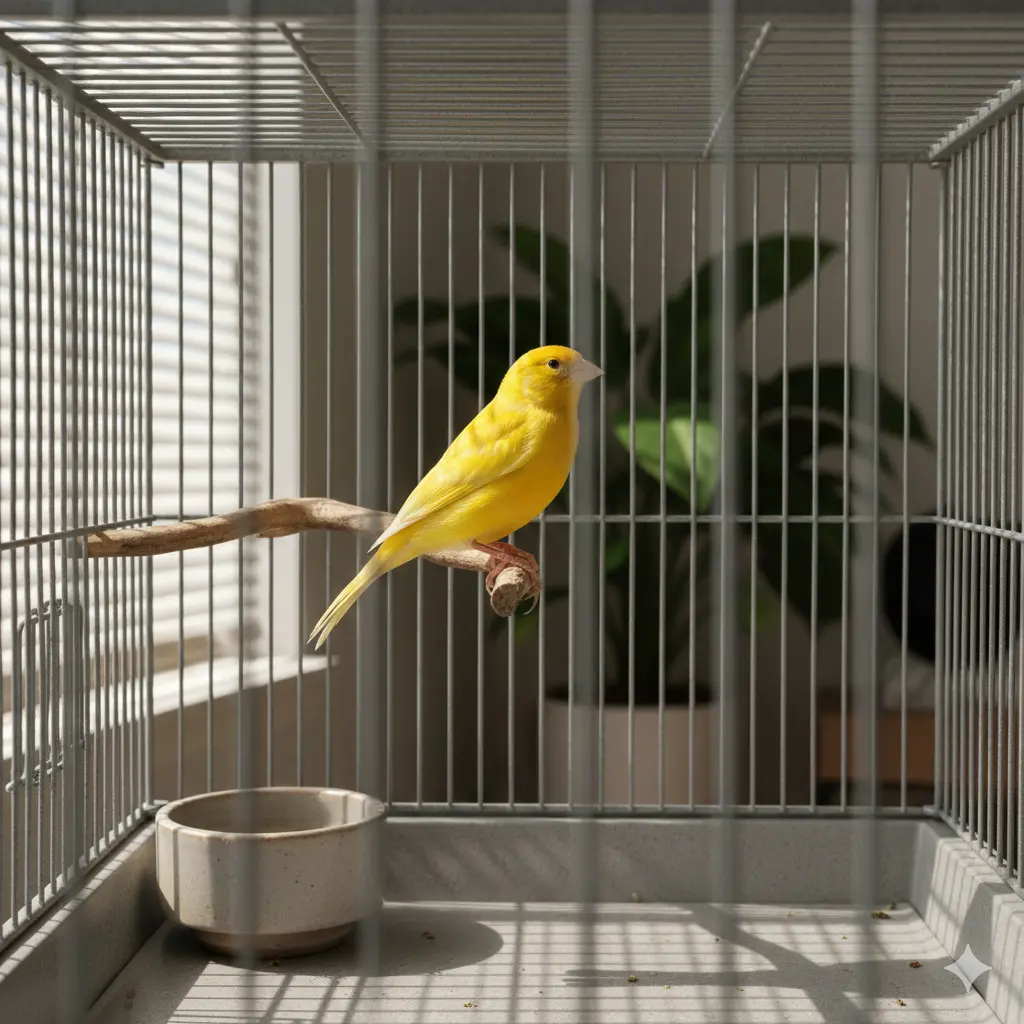
Preventing Obesity and Fatty Liver Disease
Like other birds, canaries have an enemy—hemp and rapeseed in excessive amounts. These seeds are packed with fats. A canary in a small cage eating only fatty seeds will quickly develop hepatic lipidosis (fatty liver).
The Ideal Weekly Menu:
- Base Mix (60%): Should be dominated by canary grass seed (plain canary seed), which is high in protein but low in fat.
- Fresh Vegetables (30%): Every other day, offer a dandelion leaf, a slice of cucumber, or grated carrot. Carrots are key for birds with yellow and orange pigments.
- Minerals (10%): Bird grit must be available 24/7. Grit helps them grind seeds in their gizzard since they don't have teeth.
Forbidden List: Avocado, chocolate, coffee, alcohol, onion, mushrooms, and anything containing salt. A single salty cracker for a canary is like a human eating 5 kg of salt at once.
Molting: The Most Critical Period of the Year
Once a year, your canary will undergo a "metamorphosis"—replacing its entire plumage. This is their most physically exhausting period. Imagine your body having to produce thousands of new organs (which feathers actually are) in just one month.
- What Happens: The bird stops singing, becomes quieter, and consumes massive amounts of protein.
- Your Role: Increase the intake of egg food (boiled egg). Provide peace and humidity. Bathing is mandatory during molting because water helps the new feather shafts break through the skin more easily.
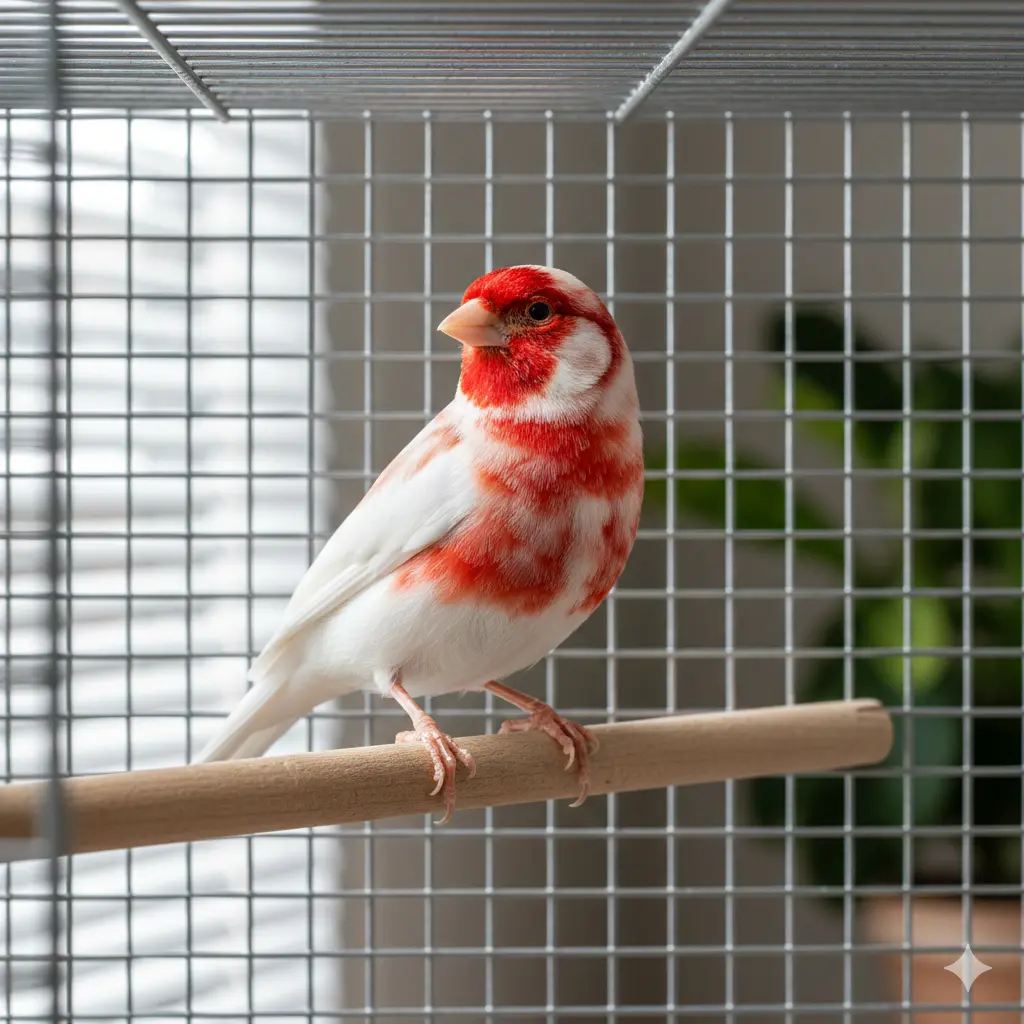
The Light Cycle
Canaries are "photoperiodic" creatures. Their internal clock is set according to the length of the day.
- Summer Mode: Long days encourage song and activity.
- Winter Mode: Shorter days (10 hours of light) allow the body to rest.
If the lights in your living room stay on until midnight all year round, the canary will enter a "false molt." It will start losing feathers in the middle of winter, its immunity will drop, and its lifespan will be drastically shortened.
The solution is simple: cover the cage with a dark cloth as soon as it gets dark or move the bird to a quiet, darkened room.
Common Canary Diseases and How to Spot Them
Canaries have an extremely fast metabolism, meaning any illness progresses lightning-fast. They are evolutionary masters at hiding weakness, so as an owner, don't look for obvious signs of illness—look for changes in routine.
Key Warning Signs:
- Fluffing: If a bird sits with puffed-up feathers in the middle of the day and sleeps on both feet, it is trying to conserve body heat (which is naturally high, around 41-42°C). Dropping to the cage floor is a sign for emergency intervention.
- Dropping Changes: Any change in color (bright yellow or green instead of white in the urate part) or excessive liquid (polyuria) can indicate liver or kidney issues or a severe infection.
- Labored Breathing: Clicking sounds while breathing, opening the beak, or constant tail bobbing indicate respiratory problems or air sac mites.
- Going Light: If the bird eats constantly but loses weight (you can feel a sharp keel bone under your fingers), it is likely parasites like coccidiosis draining the organism.
First Aid: If you notice these symptoms, isolate the bird, provide peace and extra warmth (a lamp over one part of the cage to reach 28-30°C / 82-86°F). Warmth saves the bird’s energy and gives it a chance to fight until it reaches a vet.
Why Hygiene and Bathing are Sacred Rituals
An unbathed canary is an unhappy canary. Water helps them remove dust and excess oil from their feathers, directly impacting their thermoregulation and preventing feathers from becoming brittle.
- Proper Setup: It is best to use external bird baths that attach to the cage door. This prevents the bird from splashing on the feeders and soaking the bedding, avoiding mold and bacteria.
- Ideal Water: Water must be lukewarm or room temperature. Never use ice-cold tap water. Once a week, you can add a pinch of bird bath salts or a few drops of apple cider vinegar—this helps with feather shine and acts as a mild antiseptic for the skin.
- Timing Matters: Bathe exclusively in the morning. The canary must have enough time to dry completely, preen its feathers, and regain body heat before the sun sets. A wet bird in the evening is the fastest path to a cold and dropped immunity.
- Bedding and Hygiene: Clean the cage floor at least twice a week. Use dedicated bird sand/grit that absorbs moisture and neutralizes odors. Clean perches are equally important—dirty perches are a primary source of bacterial foot infections (bumblefoot).
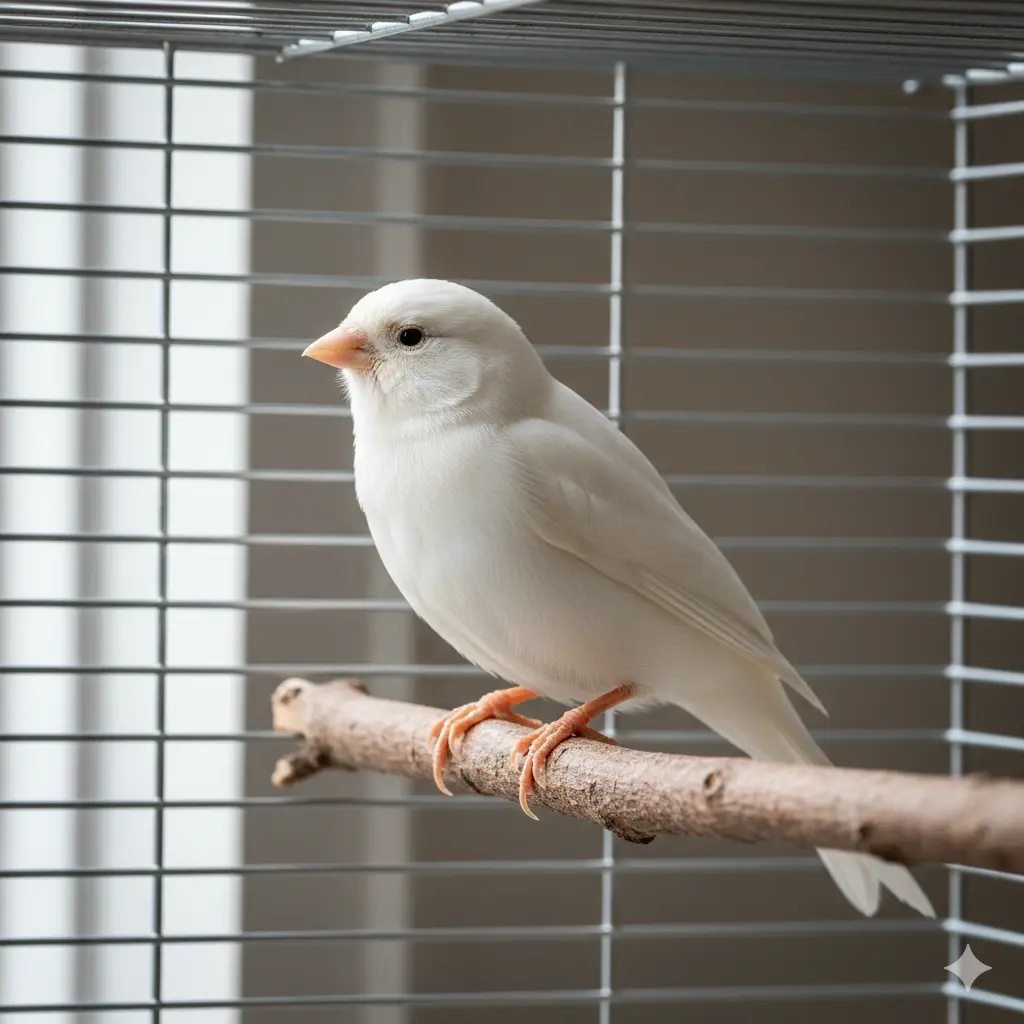
Common Misconceptions That Kill Canaries
"It can sit in a draft if it’s hot."
Drafts are the silent killer of canaries. Their small body mass cannot handle sudden changes in air temperature flowing directly over them. The cage must never be in a direct line between a door and a window.
"A mirror will keep it company."
A mirror is psychological torture for a canary. It sees another bird (a rival) in the reflection that it cannot chase away, leading to chronic stress, loss of song, and even physical attacks on the mirror.
Frequently Asked Questions
Why is my canary sleeping on one leg?
That is actually a great sign! Healthy birds sleep on one leg to conserve body heat by tucking the other leg into their feathers. If it sleeps on both legs, check the room temperature or the bird’s general health.
Can I keep two males in the same cage?
Absolutely not. Canaries are highly territorial. Two males in the same cage will fight to the point of injury, and the song will become aggressive screaming instead of melodic chirping.
How do I tell a male from a female?
For beginners, visually distinguishing the sexes is almost impossible (except in some dimorphic breeds). The surest test is the song—if it sings loudly and continuously, it’s a male. If it only "peeps," it’s likely a female.
How long can a canary be left alone?
Canaries are independent. If they have enough food and water, they can stay alone for a day or two, but proper light cycle management is mandatory.
Conclusion: An Investment in Peace and Beauty
Keeping a canary is a responsibility that lasts 10 to 15 years. It is not an ornament but a living being with complex needs. If you provide horizontal flight, remove fatty seeds from the equation, and respect its need for darkness, it will repay you with a song that calms even the most stressful day.
Provide conditions that simulate nature, and your canary will become the most beautiful part of your home.
