
Safe Herbs for Budgies: A Guide to Natural Nutrition
Just like humans, budgies (shell parakeets) benefit from a diverse, natural diet that provides more energy, better immunity, and a cheerful mood. A budgie's diet directly impacts their overall health and lifespan. While high-quality seeds, pellets, fruits, and vegetables are staples, fresh herbs serve as a powerful, natural supplement that offers long-term health benefits.
Why Add Herbs to Your Budgie's Diet?
In the wild, budgies spend hours foraging across the Australian outback. They don't just eat seeds—they nibble on native grasses, leaves, and various herbs found in the open plains. This foraging behavior is not just about eating; it’s a vital physical and mental activity. Exploring different textures and scents keeps them active, curious, and mentally stimulated.
For pet budgies, we can help satisfy these natural instincts by providing fresh, safe herbs. Adding greenery to their bowls doesn't just enrich their meals; it provides sensory stimulation that prevents boredom and destructive behaviors.
Many culinary herbs contain natural antioxidants, vitamins, and minerals that strengthen the immune system, support digestion, and contribute to vibrant feather quality. Herbs can also have a calming effect, reducing stress in birds that spend a lot of time indoors.
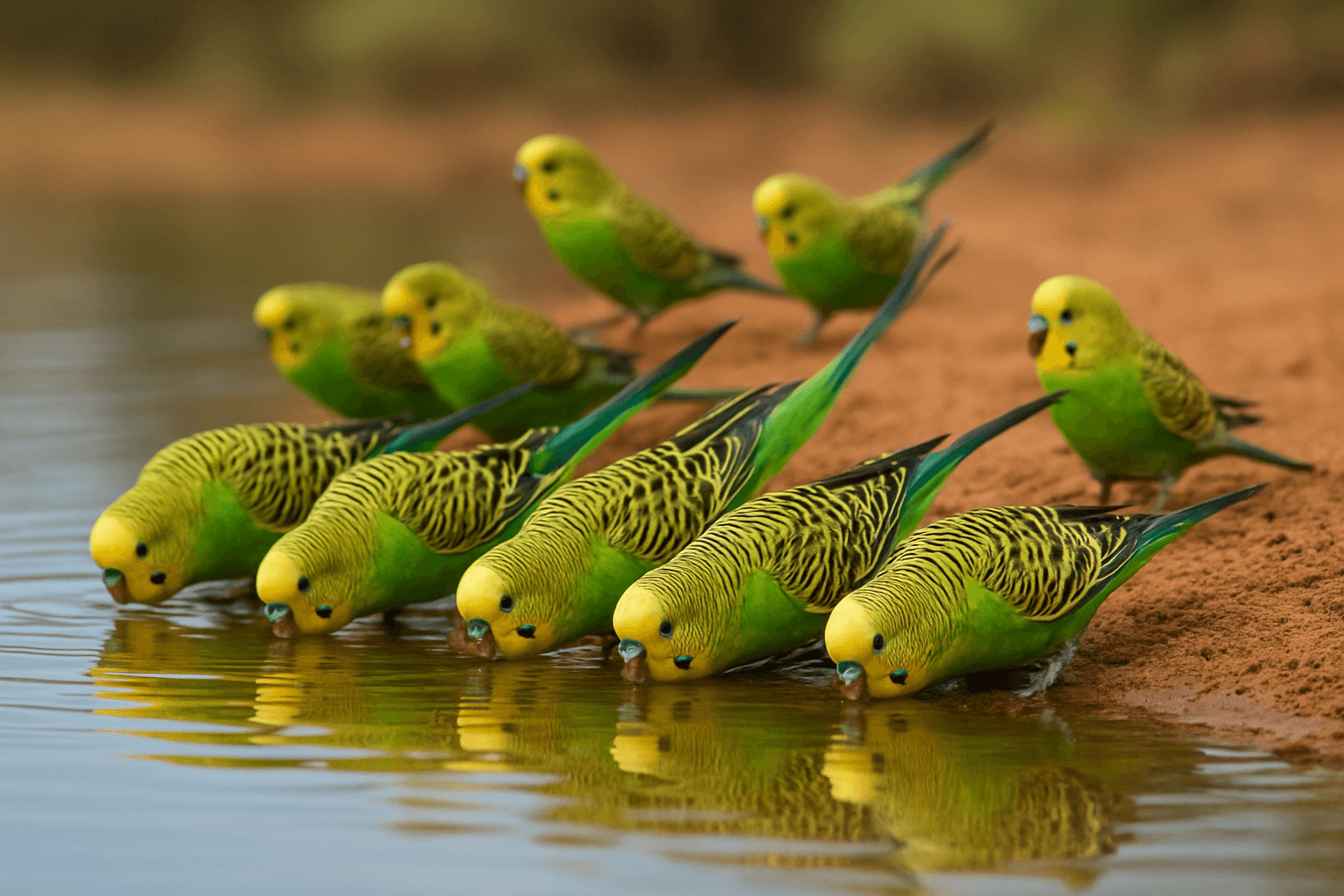
Key Benefits of Herbs for Budgies:
- Strengthens the immune system
- Improves digestive health
- Reduces stress and anxiety
- Promotes feather shine and overall vitality
Top Safe Herbs for Budgies
It is crucial to know which herbs are safe, as some common garden plants can be toxic. Here are the best options for your feathered friend:
- Parsley / Cilantro: Rich in vitamins A, C, and K, as well as calcium and iron. It aids digestion but should be given in moderation as a supplement to other leafy greens.
- Basil: Budgies love the aromatic scent. It acts as a natural antioxidant and helps with digestion. Offer a few fresh, washed leaves once a week.
- Mint / Peppermint: Has a refreshing scent and can soothe mild digestive upsets. Due to its strong flavor, offer it occasionally in small amounts.
- Oregano: Known for its natural antibacterial and antifungal properties. It boosts the immune system. A few fresh leaves every 10 to 15 days is sufficient.
- Thyme: Contains vitamins C and K and is known for its antimicrobial effects. It can be offered fresh or dried and mixed with seeds to support respiratory health.
- Dandelion Greens: One of the most nutrient-dense plants for birds. It detoxifies the liver and kidneys and is rich in Vitamin A and potassium. Ensure they are harvested from pesticide-free areas.
- Chamomile: Famous for its calming properties. It is excellent for birds during stressful times like moving to a new home or molting. You can offer weak, unsweetened chamomile tea or dried flowers.
- Calendula (Marigold): Has anti-inflammatory properties and supports skin health. It's rich in antioxidants—add a few fresh petals during the molting season.
- Rosemary: Stimulates circulation and can boost appetite. Due to the strong essential oils, give only a few needles once a month.
Harmful Plants to Avoid (Toxic for Budgies)
While many herbs are beneficial, several common household and garden plants are highly toxic to parakeets. Knowing which plants to keep away from your bird's reach can save their life.
Dangerous plants include:
- Onions, Leeks, and Scallions: Contain compounds that can damage red blood cells and cause anemia.
- Garlic: In large amounts, it can cause digestive issues and systemic toxicity in small birds.
- Oleander: Highly toxic; can cause severe heart problems, digestive distress, and is often fatal.
- Hydrangea: Contains cyanogenic glycosides, which can cause vomiting and severe illness.
- Peonies: All parts of the plant can cause digestive upset and discomfort.
- Avocado: While not an herb, it is worth noting that it is highly toxic to almost all bird species.
Always ensure your budgies are kept away from these plants, whether they are in a vase or growing in your garden.

How to Introduce Herbs to Your Budgie
- Start Slowly: Introduce a small piece of a single herb alongside their usual food.
- Observe: Watch for any changes in droppings or behavior. If the bird enjoys it, you can begin rotating different herbs to vary their nutrient intake.
- Wash Thoroughly: Even organic herbs should be washed to remove any dust or potential contaminants.
- Supplement, Don't Replace: Remember that herbs are a dietary "topper" or treat, not a replacement for a high-quality base diet of seeds, pellets, and vegetables.
If your budgie isn't interested at first, don't be discouraged. Many captive-bred birds are wary of new foods. Be patient and try again in a few weeks—sometimes changing the way you present it (e.g., clipping it to the bars or wet-leaf bathing) makes it more appealing.
Nature-Inspired Health and Happiness
Herbs are one of the simplest and most affordable ways to boost your budgie’s health. By providing these natural "superfoods," you are supporting their immunity and making their daily life more interesting.
A healthy budgie is a happy budgie, and their wellness starts with the natural choices you make for their bowl every day.
Frequently Asked Questions
Which herbs are safest for budgies?
Dandelion, spinach, cress, parsley, basil, and young lettuce leaves are good options in small amounts.
How often can I give herbs to my budgie?
A few times per week as a supplement. Herbs should not replace seeds, pellets, or minerals.
Can I give garden herbs to my budgie?
Only if you are certain they were not treated with pesticides or chemicals.
Which plants are dangerous for budgies?
Avoid avocado, onion, oleander, hydrangea, and any plant of unknown origin.
Can herbs boost a budgie's immunity?
They can support digestion and overall wellness as part of a balanced diet, but they do not replace veterinary care.
