Budgie’s Gender: Male or Female?
If you’ve recently brought home a new feathered friend, one of the first questions is always: is my budgie a boy or a girl?
At first glance, the differences aren't always obvious, especially in younger birds. However, with a little observation and the right knowledge, identifying a budgie's gender (sexing) can be done with high confidence.
Identifying Gender by the Cere Color
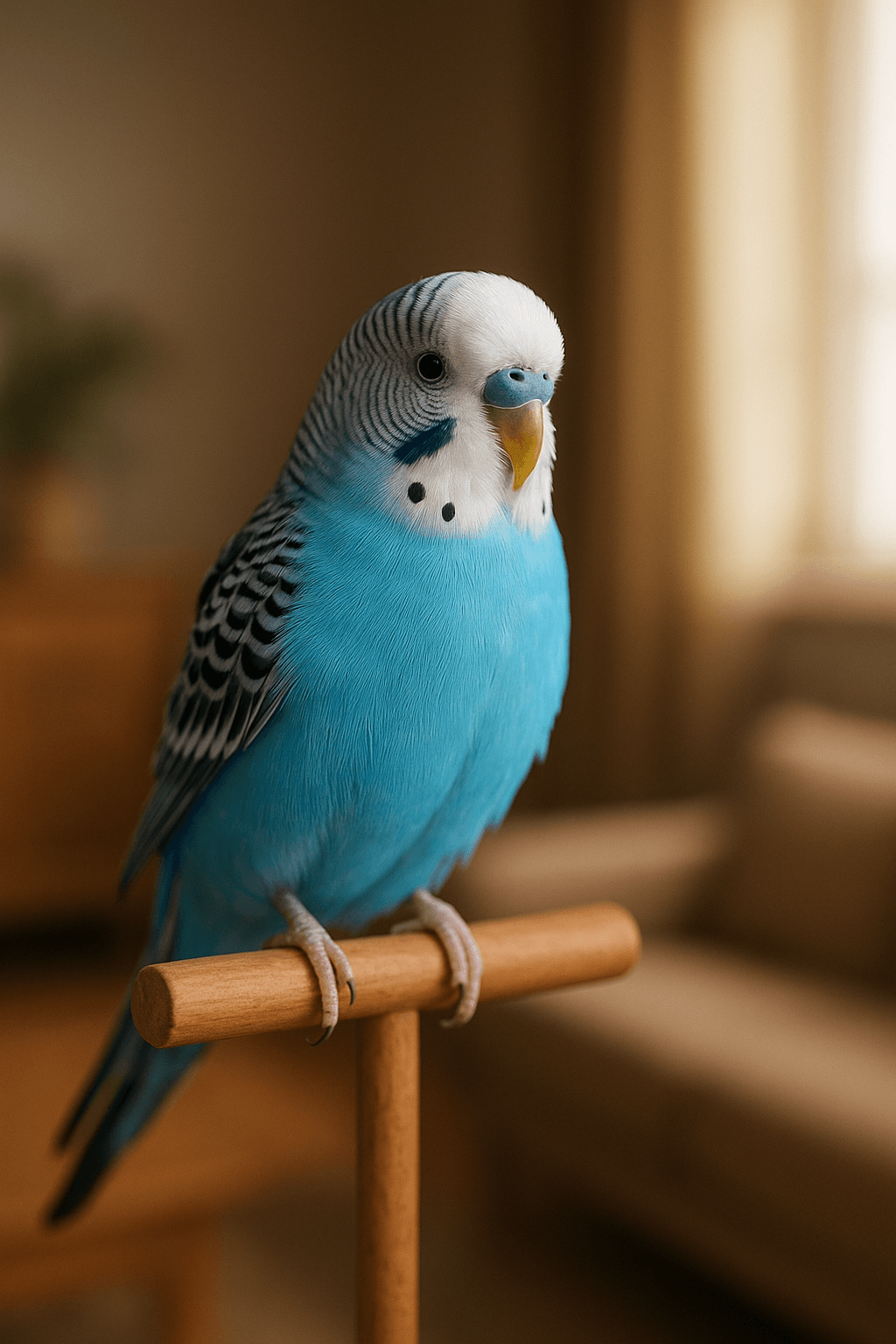
The most reliable way to determine the sex of an adult budgie is by looking at the cere—the fleshy, waxy area just above the beak where the nostrils (nares) are located.
- Males: The cere is typically a vibrant royal blue or purplish-blue. In some specific mutations, it may appear lighter or even a solid pinkish-purple.
- Females: The cere is usually tan, beige, or off-white, often with a white ring around the nostrils. During the breeding season (when "in condition"), the cere can turn dark brown and develop a crusty texture.
Note that in certain color varieties (like Lutino or Albino), these differences are more subtle and require a closer look.
How to Sex Juvenile Budgies
In young birds (under 3–4 months old), gender is harder to determine because the cere hasn't reached its adult color yet.
- Young Males: Usually have a solid pink or light purple cere that is smooth and consistent in color. This will eventually transition into blue.
- Young Females: Often have a light blue, white, or pale beige cere. A key indicator is a thin, distinct white ring directly around each nostril.
Sexing Lutino and Albino Mutations
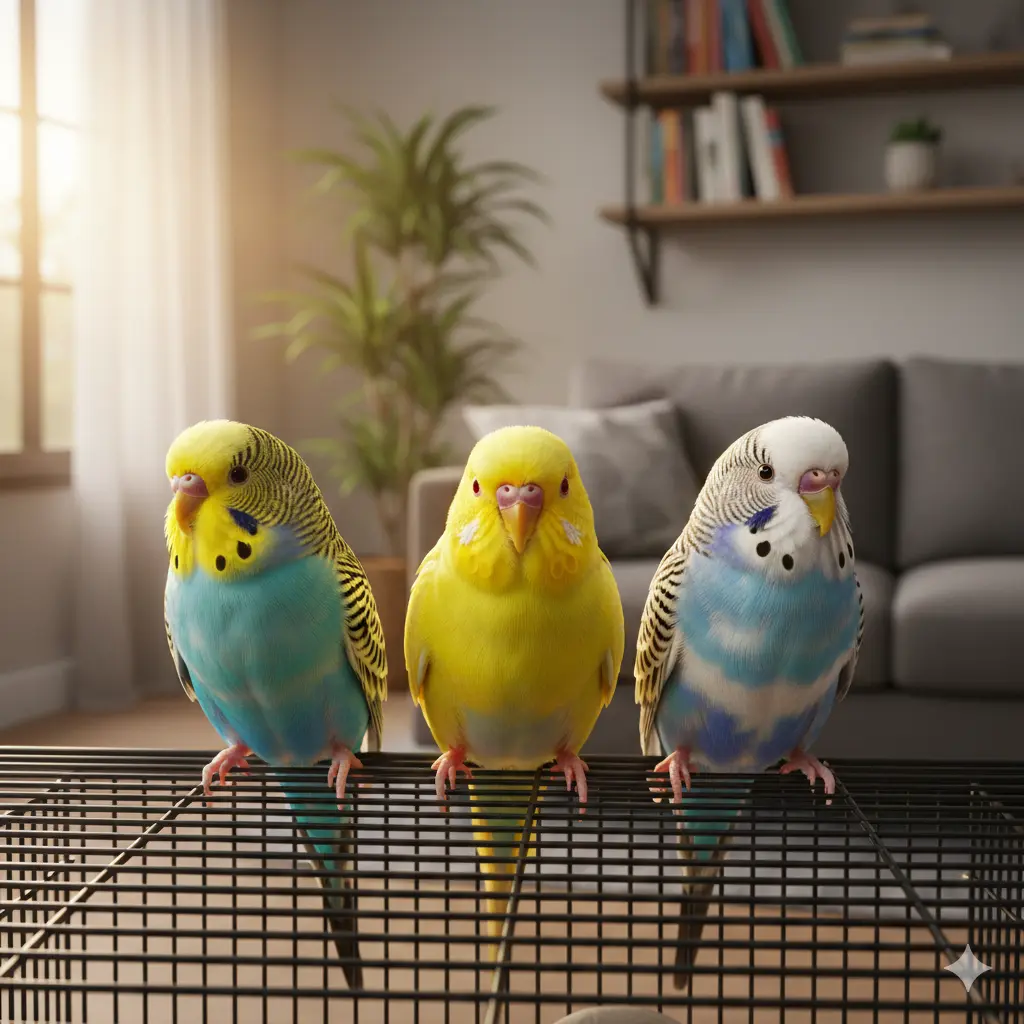
In certain mutations, such as Lutino (yellow) and Albino (white) budgies, determining gender can be confusing even for experienced breeders. This is because these mutations lack melanin pigment, which normally colors the feathers and the cere.
Lutino Budgies
- They have yellow feathers and red eyes. The cere is most often light pink or flesh-colored regardless of gender.
- In adult males, the cere usually stays pink/purple throughout their lives rather than turning blue.
- Lutino females may develop a brownish tint on the cere when in breeding condition, but the change can be very subtle.
Albino Budgies
- They have white feathers and red eyes.
- The cere typically stays pale pink for most of their lives in both sexes.
- In some cases, the female’s cere will turn brown during breeding season, but this is not a universal rule.
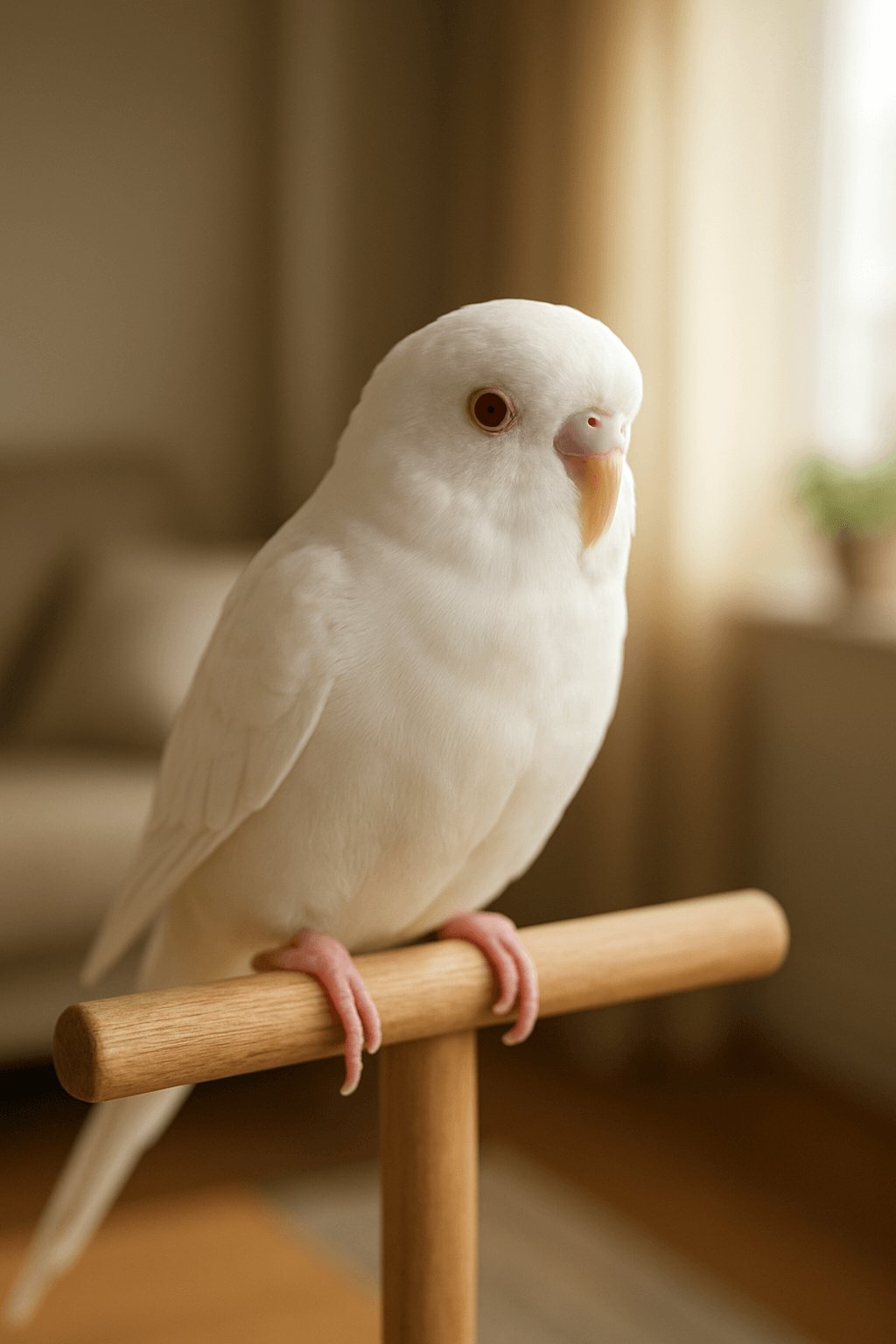
Pro Tip: For Lutinos and Albinos, the color of the cere alone isn't always reliable. Pay attention to the texture: a female’s cere is often rougher or crusty, while a male’s remains smooth and "waxy" looking.
Behavioral Differences: Males vs. Females
Beyond physical looks, behavior often gives away a budgie's gender.
Males:
- Generally more vocal and outgoing; they love to chatter, whistle, and mimic sounds.
- Tame more quickly and are often more enthusiastic about learning tricks.
- Often perform a "head-bobbing" dance and tap their beaks against objects to show affection or dominance.
Females:
- Can be more reserved or territorial, especially near their "nesting" spots (even if it's just a food bowl).
- Are natural "chewers"—they love to shred paper, wood, and toys.
- Often adopt a more horizontal posture and might be more prone to nipping if they feel their space is being invaded.
When is the Best Time to Sex a Budgie?
Trying to guess the gender of a very young chick often leads to mistakes. The best time for accurate identification is when the bird is 5 to 6 months old. By this age, the cere color has usually stabilized, and adult behaviors become more apparent.
If you are unsure, take a clear photo of the cere in natural daylight every few weeks. Tracking the color changes over time is the most effective way to see if that pinkish hue is turning blue (male) or white/brown (female).
Common Budgie Gender Myths
Several myths have circulated among bird owners over the years:
- Myth 1: "Only males sing." False. Females can be very loud and communicative, though their "song" is often shorter or more screechy.
- Myth 2: "You can tell by body size." False. Size depends entirely on genetics (e.g., English Budgies vs. American Budgies) and diet, not gender.
- Myth 3: "Blue feathers mean it's a boy." False. Feather color has zero correlation with gender in budgies.
Frequently Asked Questions
When is the best time to sex a budgie?
Around 5–6 months of age, when cere color and adult behavior become more stable.
Does a blue cere always mean male?
In most mutations it usually indicates a male, but lutino, albino, and some other mutations can be misleading.
Do only males sing?
No. Females can also be loud and vocal, though their calls may differ in style.
Can you tell gender by body size?
No. Size depends more on genetics, line, and diet than on sex.
What if I am still unsure about gender?
Track cere color weekly in natural light, or use a DNA test if you need certainty.
Conclusion
Telling a budgie's gender might seem like a puzzle at first, but with a bit of practice and observation of the cere and behavior, it becomes second nature. Whether you have a playful male or a feisty female, each budgie has a unique personality that makes them a cherished member of the family.
