Budgie Color Genetics: A Comprehensive Guide
The world of budgie colors is a mesmerizing array of vibrant hues and intricate patterns. From the classic wild green to striking blues, soft yellows, and pure whites, each budgie displays its own unique beauty through countless genetic mutations.
Understanding Budgie Color Genetics
Budgerigars, commonly known in the U.S. as budgies or parakeets, come in a vast spectrum of color mutations. These charming birds are world-renowned for their vivid plumage and engaging personalities.
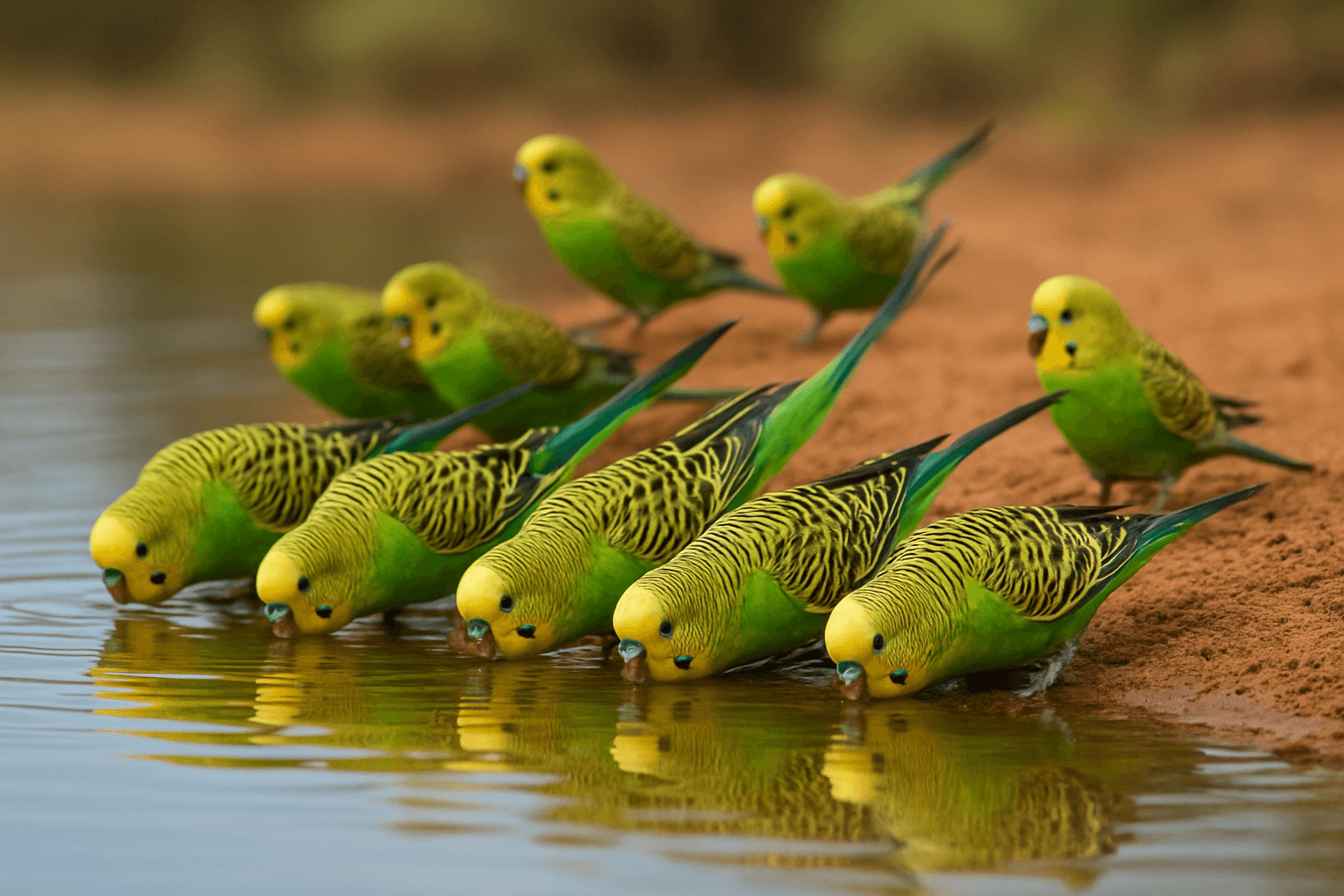
Let’s dive into the fascinating science of budgie colors and explore the many variations you can find. One of the most recognizable colors is the Wild Type, or Normal Green budgie.
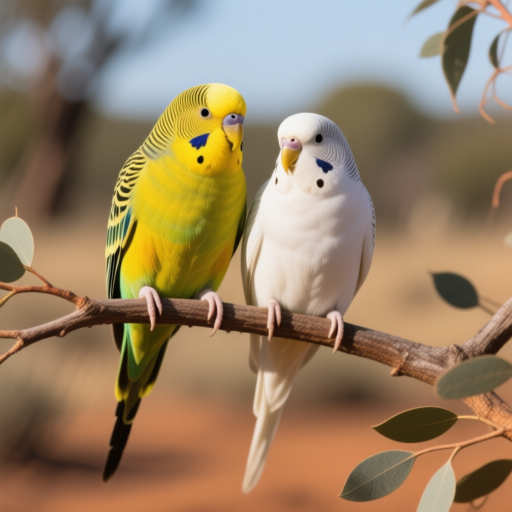
These budgies feature a bright green body with yellow feathers on the forehead and face. They also have black "tiger stripes" or undulations on their wings and head, creating a striking contrast. It is these characteristic stripes that give them their nickname in many languages. However, beyond the classic green, budgies showcase a stunning array of color mutations.
Blue Series Mutations
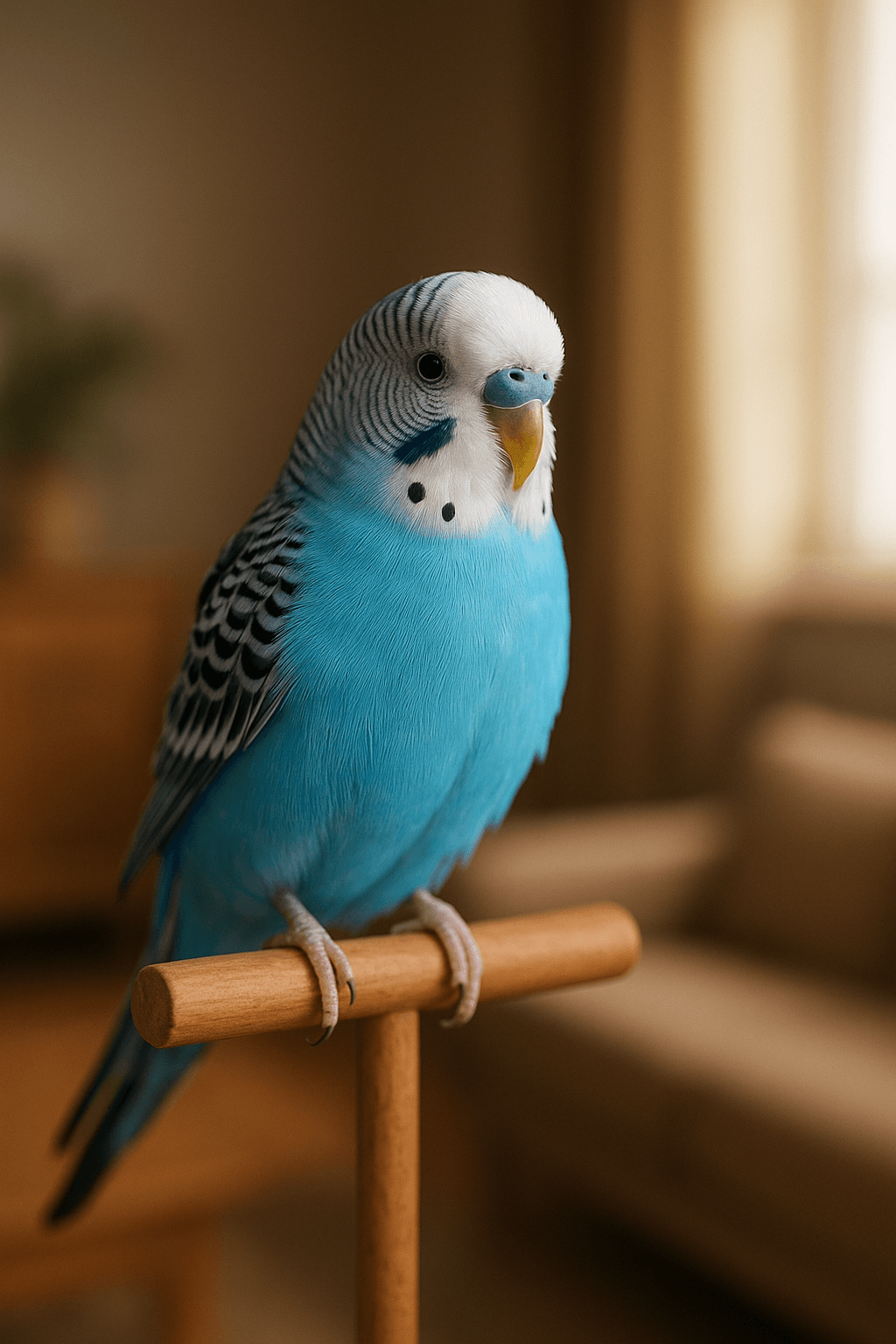
Blue budgies are a popular variation characterized by striking blue plumage. This mutation alters the distribution of pigments, resulting in enchanting shades. Sky Blue, Cobalt, and Mauve are just a few of the tones you might encounter in the blue series.
Lutino Budgies
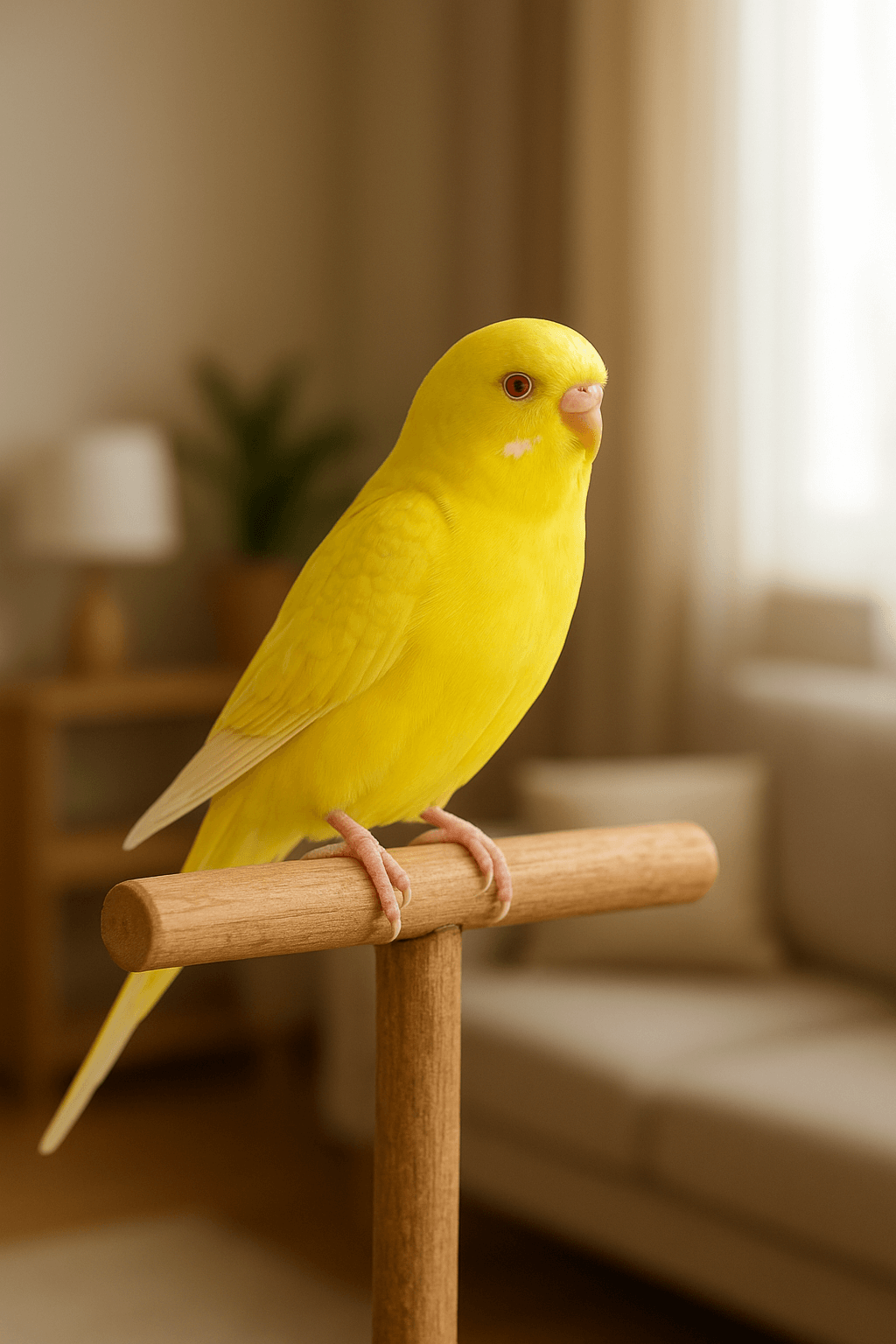
Lutinos are stunning birds with vibrant, butter-yellow feathers. These birds lack melanin pigmentation, which results in a solid yellow body. Their eyes are typically red or pink, creating a unique and beautiful look.
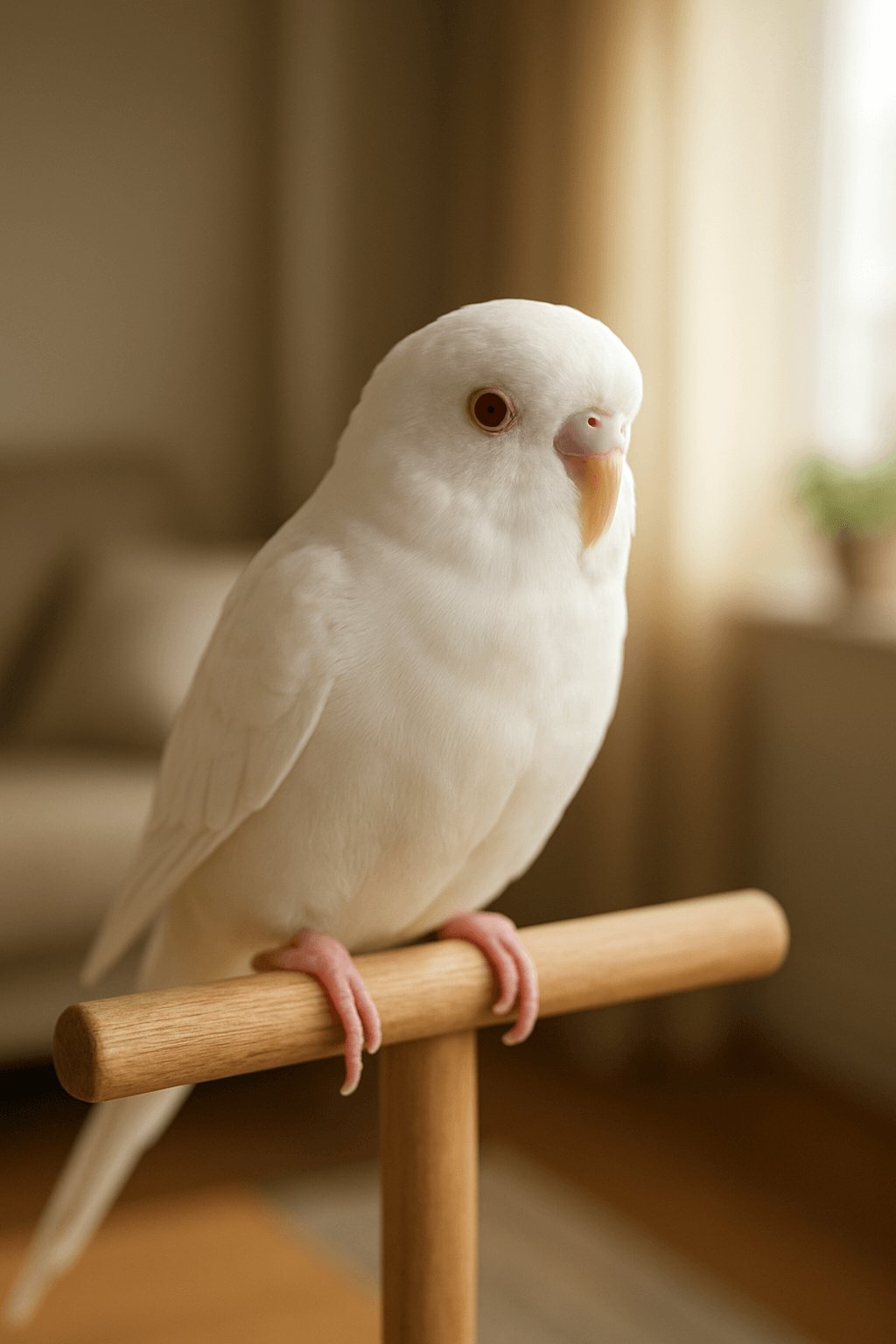
Albino Budgies
Albinos lack all pigmentation, resulting in a pure white bird. Like the Lutino, their eyes are usually pink or red due to the total absence of melanin.
Pied Mutations
Another remarkable variation is the Pied budgie, which displays mosaic-like patterns. Pied budgies have patches of white or yellow feathers interspersed with their base color, creating a "splashed" effect that is unique to every bird.
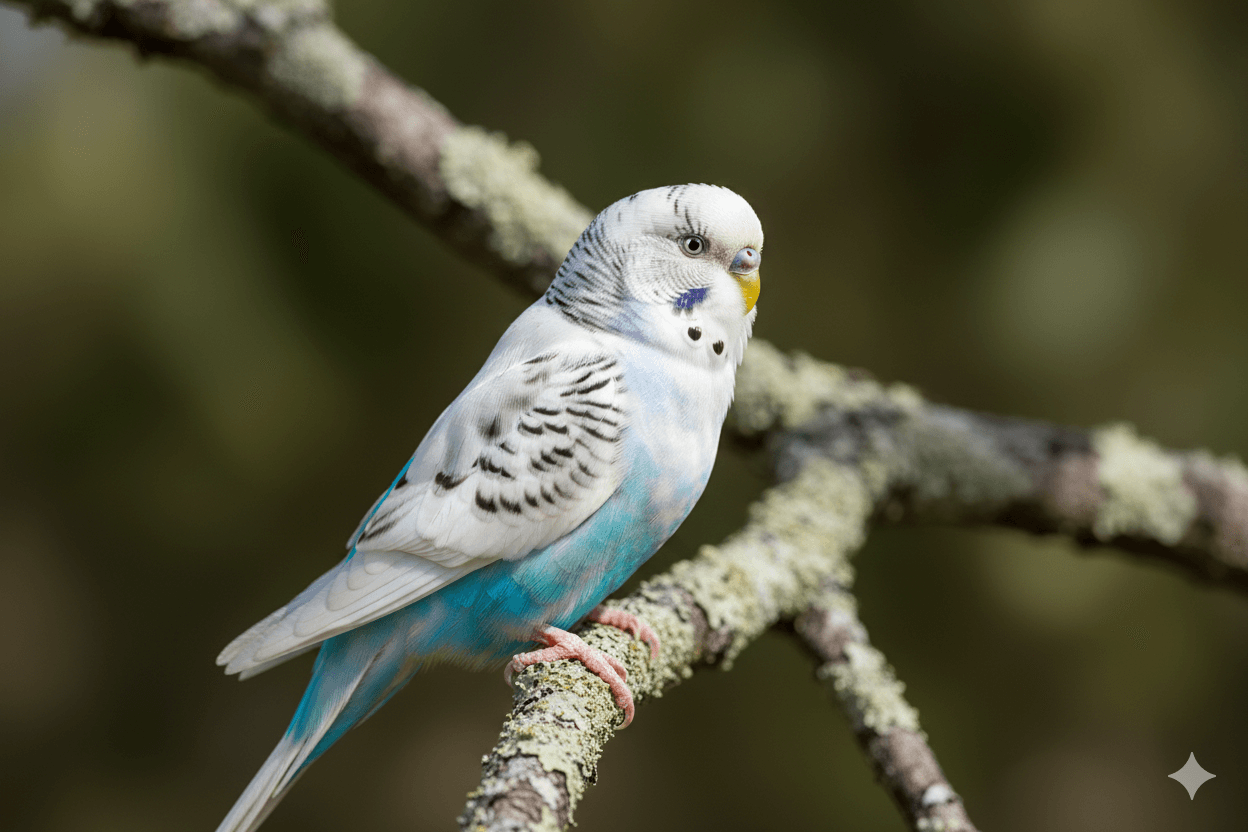
Beyond these primary colors, budgies can possess combinations of multiple mutations, leading to even more varieties. For example, you can find a Yellowface Blue budgie, which combines a yellow mutation with blue plumage. Other popular mutations include Cinnamon, Grey, Violet, and Spangle, each contributing a specific tint or wing pattern.
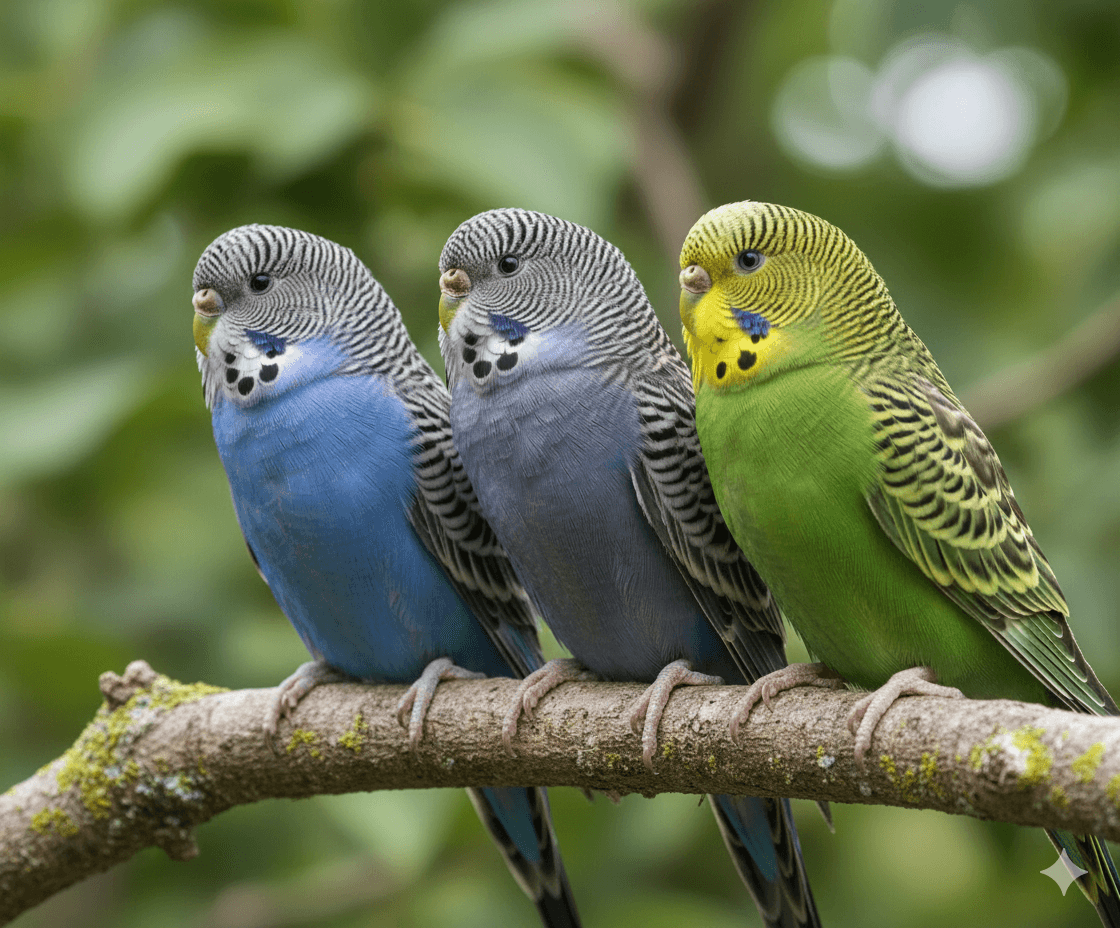
There are at least 32 primary mutations known in the budgie world. These can be combined to create hundreds of secondary mutations and color variations, some of which are stable while others remain rare.
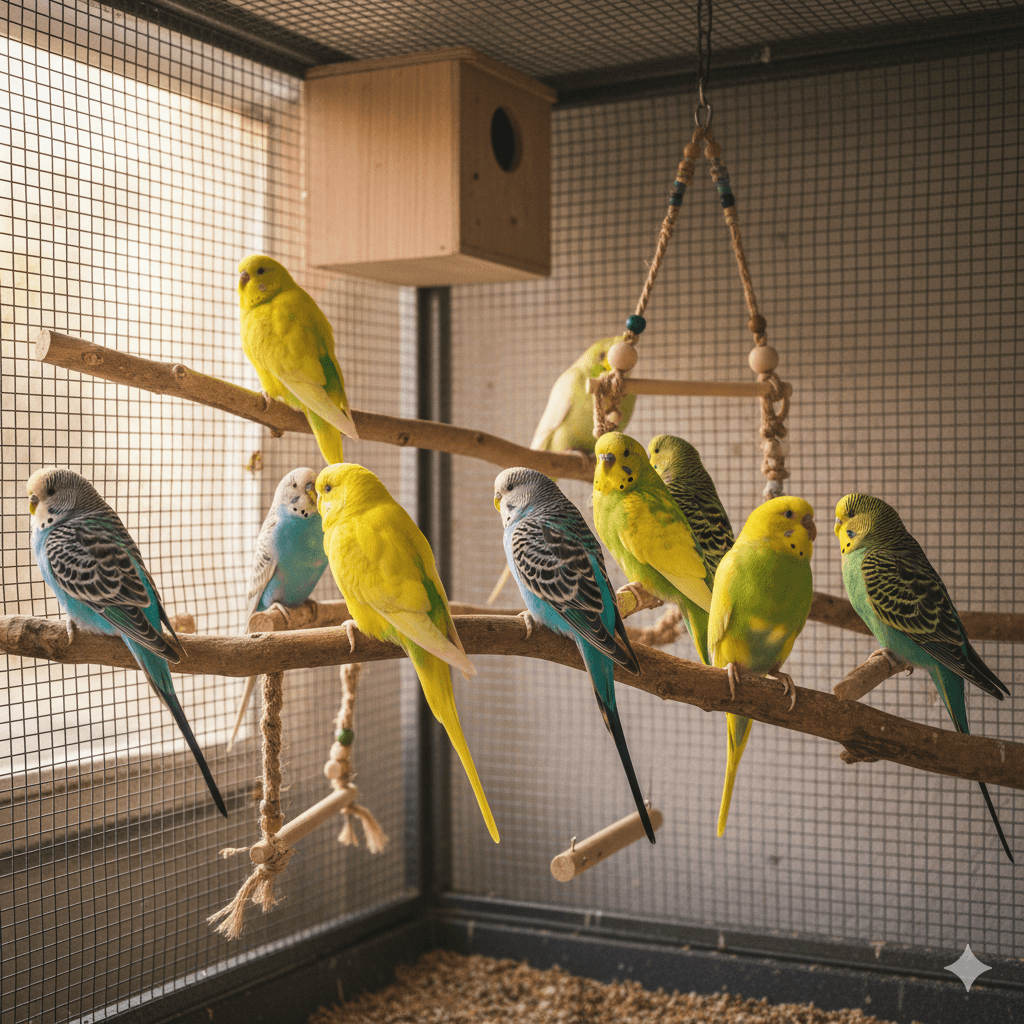
Green: The Only "Natural" Color in the Wild
The natural "Wild Type" color of a budgie is predominantly green. Wild budgies have bright green bodies with yellow faces and black stripes. This green coloration provides excellent camouflage in their natural Australian habitat—grasslands, woodlands, and scrublands.
In addition to the green body, wild-type budgies have blue feathers in their tails and primary wing feathers, which are most visible during flight. This natural coloring serves as a defense mechanism, allowing them to blend into the foliage and avoid predators.
Why Do Color Mutations Occur?
Color mutations happen due to genetic variations that affect the distribution and expression of pigments in a bird's feathers. These can occur naturally or through selective breeding.
Budgies have two primary pigments:
- Eumelanin: Produces black and grey colors.
- Psittacin: Produces yellow and red colors (though in budgies, it manifests as yellow).
The interaction of these pigments is regulated by specific genes.
- The Blue Mutation: This affects the gene responsible for yellow pigment. By "turning off" the yellow (psittacin), the bird appears blue.
- The Lutino Mutation: This shuts down melanin production, leaving only the yellow pigment behind.
- Selective Breeding: Breeders choose birds with specific traits to stabilize these colors across generations, creating varieties that would likely not survive long in the wild due to a lack of camouflage.
Genetic Classifications
Most primary mutations fall into one of four basic genetic groups:
- Albinism: Eumelanin is partially or totally reduced in all tissues (plumage and eyes).
- Dilution: Eumelanin is partially reduced only in the feathers.
- Leucism: Eumelanin is totally reduced in all or localized parts of the plumage.
- Melanism: An increase in eumelanin within the feathers.
Unusual and Rare Mutations
Some of the most sought-after colors in the U.S. hobby include:
- Violet: A visual factor that adds a deep purple wash to the bird.
- Cinnamon: Replaces black markings with a warm, brownish-bronze color.
- Opaline: Reverses the pattern on the back and wings, often showing more body color on the wings.
- Spangle: Affects the wing markings, creating a "rimmed" look on the feathers.
Feather Color Changes in Adult Budgies
If a budgie's feather color changes unexpectedly after they reach adulthood, it is often not genetic but related to:
- Vitamin Deficiencies: Particularly a lack of Vitamin A.
- Poor Hygiene: Dirty food or water bowls leading to staining or illness.
- Stress or Illness: Metabolic issues can sometimes affect feather pigmentation.
Health Considerations in Mutation Breeding
Creating certain mutations like Lutino or Albino through intensive breeding can sometimes lead to increased health sensitivities.
- Mutations like the Lutino are occasionally associated with weaker immune systems or shorter lifespans if not bred carefully.
- Inbreeding: Using a narrow gene pool to stabilize a color can lead to congenital defects and chronic health issues.
Responsible breeders focus on health and vitality first, ensuring that these beautiful colors come in a strong, healthy bird.
Frequently Asked Questions
Does feather color affect budgie health?
Some mutations, such as lutino and albino, may be more sensitive, but proper care and nutrition matter for every color.
Can two normal-colored budgies produce colored chicks?
Yes, if both parents carry the right recessive or sex-linked genes.
What is a gene "carrier" in budgies?
A bird may look standard but still pass a mutation gene to its offspring.
Is inbreeding risky in budgie breeding?
Yes. Narrow gene pools increase the risk of genetic defects and weaker health.
Does genetics determine personality?
Not directly. Personality depends more on socialization, environment, and individual temperament.
